Author: ToolsTutor

  • Best Drill Bit for Concrete and Rebar

    Best Drill Bit for Concrete and Rebar

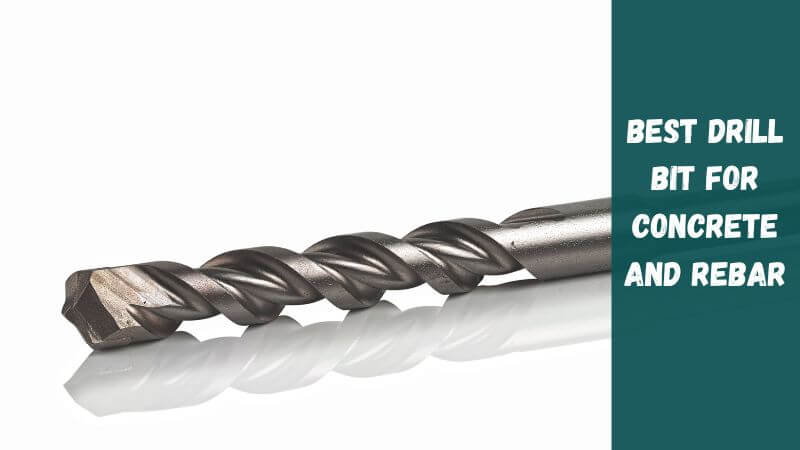
    If you’re looking for the best drill bit for concrete and rebar, you’ve come to the right place. Concrete and rebar are two of the most common materials that people need to drill into, and there are a few different drill bits that can be used for both. However, not all drill bits are created equal. Some are better suited for concrete, while others are better for rebar. In this blog post, we’ll discuss the different types of drill bits available and which one is best for concrete and rebar. We’ll also provide a helpful buyer’s guide to help you choose the right drill bit for your needs.

    Top 5 drill bits for concrete and rebar

    DEWALT Masonry Drill Bit Set DW5207

    The DEWALT Masonry Drill Bit Set DW5207 is a great choice for drilling concrete and rebar because of so many good features. It has a two cutter carbide tip that maximizes carbide surface contact for longer bit life. Additionally, its four flute design cleans debris out for fast, efficient drilling and its three flats on the shank prevent the bit from slipping in the chuck.

    The Rock carbide tip of the DEWALT Masonry Drill Bit Set DW5207 maximizes carbide surface contact for longer bit life. The tip is designed to drill through masonry, concrete, stone, and other hard surfaces. The set includes a variety of sizes to accommodate different drilling needs.

    The Four-flute design of the DEWALT Masonry Drill Bit Set DW5207 is ideal for quickly and efficiently drilling through masonry. The four flutes work to clear debris out of the way as you drill, so you can get the job done faster. Plus, the set comes with a sturdy carrying case to keep your bits organized and protected.

    Advantages of DEWALT Masonry Drill Bit Set DW5207

    1. The DEWALT masonry drill bit set is made with a two cutter carbide tip that maximizes carbide surface contact for a longer bit life.
    2. The four flute design of the DEWALT drill bit set cleans debris out for faster and more efficient drilling.
    3. The three flats on the shank of the DEWALT drill bit set eliminate slipping in the chuck (excluding 1/4″ hex shank bits).
    4. Three flats on the shank eliminate bit slipping in the chuck (exceptional gripping power).
    5. The set comes with a handy storage case for easy transport and storage.

    BOSCH BM5000 Fast Spiral Masonry Set

    The Bosch spiral drill bit set is another great option for drilling into concrete and rebar. It is built to last with a premium Carbide Tip that provides durability and reduces wear when drilling into abrasive materials. With this set, you’ll be able to power through the toughest projects quickly and easily, making it the perfect choice for the most demanding applications.

    Bosch BM5000 Fast Spiral Masonry Set is designed with a double flute design that provides superior debris removal for faster performance. The unique design of the double flute allows for more debris to be removed with each rotation, making the Bosch BM5000 Fast Spiral Masonry Set the perfect choice for those who need fast and efficient performance.

    The Rotary Applications of BOSCH BM5000 Fast Spiral Masonry Set is ideal for rotary drilling only. It is not intended for use in hammer or percussion mode. With its high-quality construction and durable design, this set is perfect for a variety of applications, including masonry work, concrete drilling, and more.

    Advantages of BOSCH BM5000

    • The Bosch BM5000 Fast Spiral Masonry Set is great for drilling in brick, cinder block and tile.
    • It can be used with either corded or cordless rotary drills, making it a versatile option for any workspace.
    • The BM5000 drills twice as fast as standard masonry bits, making your work go much quicker.
    • The carbide tips on the bits provide a long bit life, so you won’t need to replace them as often.
    • The set comes with 14 pieces and a plastic case, so you can keep everything organized and together.

    SNUG Fasteners Carbide Tip Masonry Drill Bits

    SNUG Fasteners Carbide Tip Masonry Drill Bits are ideal for quickly drilling through masonry and concrete. The carbide tip provides superior cutting performance and extended life, making these drill bits an excellent choice for the most demanding applications. The drill bits are ideal for use in brick, concrete and block. Their carbide tips provide superior wear resistance and long life, making them the perfect choice for the most demanding applications.

    The flat shank of SNUG Fasteners Carbide Tip Masonry Drill Bits prevents bit slippage and ensures a precise, clean hole every time. These bits are made of high-quality materials and are designed for use with a drill press or power drill.

    Advantages of SNUG Masonry Drill Bits

    1. The high quality carbide tip ensures fast cutting and extended life.
    2. SNUG Masonry Drill Bits are designed for use in brick, concrete and block.
    3. The flat shank prevents bit slippage.
    4. The package includes 10 premium concrete bits.
    5. SNUG Masonry Drill Bits are easy to use and require no special skills or training.

    IVY Classic 10332 Carbide Masonry Drill Bit

    IVY Classic 10332 is another great option in our list for drilling through rebar and concrete. The Round Shank design of IVY Classic 10332 Carbide Masonry Drill Bit ensures rotary and percussion hammer drilling through block, brick, stone, concrete and marble. The unique design of the round shank allows for less slippage and more stability when drilling, making it the perfect choice for all your masonry drilling needs.

    Tungsten Carbide reinforced head of IVY Classic 10332 Carbide Masonry Drill Bit ensures precision drilling and extended bit life. The head is designed to be used with a hammer drill and the unique flute design helps to clear debris quickly. Ivy Classic 10332 Carbide Masonry Drill Bit has wide flutes that ensure fast dust removal. The wide flutes also help to keep the drill bit cooler, which extends the life of the bit.

    The Induction-hardened body of IVY Classic 10332 Carbide Masonry Drill Bit is designed to ensure straightness and strength. The sandblasted finish provides superior resistance to wear and tear, making this drill bit an excellent choice for masonry drilling applications.

    Advantages of IVY Classic 10332

    1. The round shank is designed for rotary and percussion hammer drilling, making it ideal for drilling through tough materials like block, brick, stone, concrete and marble.
    2. The tungsten carbide reinforced head is precision ground for an accurate and consistent performance.
    3. Its induction-hardened body ensures durability and long life.
    4. IVY Classic 10332 drill bit has a Swift Cut (registered trademark) feature for fast and efficient drilling.
    5. The drill bit is designed for use with electric or cordless drills.

    Bosch Masonry Bit Set LBHXS7U

    The Bosch Carbide-tipped masonry bit with upgraded hex shank design is a great choice for your masonry drilling needs. The tip is made of carbide for long life and durability, and the hex shank provides superior grip and torque. The set includes seven bits in a variety of sizes, so you can tackle any masonry drilling project.

    The Asymmetric diamond-ground carbide tip of Bosch Masonry Bit Set LBHXS7U provides fast drilling and longer bit life. The tip is designed to drill through masonry quickly and easily, and the carbide construction ensures that the bit will last for a long time.

    The Bosch Masonry Bit Set LBHXS7U contains a hex shank that provides the use in impact drivers and hammer drill/drivers for added versatility. The hexagonal shank provides more grip and prevents the bit from slipping in the chuck. The set includes a variety of sizes to cover most masonry drilling applications.

    The Exclusive Bosch-made carbide of Bosch Masonry Bit Set LBHXS7U is designed to deliver outstanding durability under heavy loads. The carbide is precision ground to provide superior cutting performance and long life. The unique design of the carbide tip ensures fast, clean cuts in a variety of materials. The Bosch Masonry Bit Set is the perfect choice for professionals who demand the highest quality tools.

    Advantages

    1. The Bosch Masonry Bit Set LBHXS7U is designed to provide long bit life and fast material removal, thanks to its asymmetric diamond-ground carbide tip.
    2. The upgraded hex shank on the LBHXS7U provides greater stability and precision when drilling, making it ideal for use in a variety of applications.
    3. The carbide-tipped masonry bit included in the set is specially designed to resist wear and tear, making it ideal for repeated use.
    4. The set comes complete with a durable storage case, making it easy to keep your bits organized and protected when not in use.
    5. Fluted design – clears debris and provides fast material removal.

    Buying guide for concrete and rebar drill bit

    Purpose of the drill bit

    The purpose of a drill bit is one of the main factors to consider when purchasing a concrete and rebar drill bit. If the drill bit will be used mostly for drilling through concrete, then a carbide-tipped bit is the best option. These bits are specifically designed to withstand the high-impact forces associated with drilling through concrete. However, if the drill bit is used mostly for drilling through rebar, then a diamond-tipped bit is the better choice. Diamond-tipped bits are designed to withstand the high abrasive forces associated with drilling through rebar.

    Application of the drill bit

    When choosing a concrete and rebar drill bit, one of the main considerations is how the bit will be used. Will it be used for light duty applications such as drilling holes for rebar or will it be used for more demanding tasks such as breaking up concrete? The application of the drill bit will have a direct impact on the type of bit that is purchased. For light duty applications, a standard twist drill bit will suffice. However, for more demanding applications, a carbide-tipped drill bit or a diamond-tipped drill bit will be required.

    What material you will be drilling

    When it comes to drilling concrete and rebar, the material you are working with will have a big impact on the kind of drill bit you will need to purchase. Different types of materials will require different types of drill bits in order to be drilled effectively. For example, softer materials will require drill bits with smaller diameters and fewer flutes, while harder materials will require larger diameter bits with more flutes. Ultimately, the type of material you are drilling will be a major factor in the kind of drill bit you need to buy.

    Sizes of the drill bits

    When it comes to concrete and rebar drill bits, the size of the bit is an important factor to consider when making a purchasing decision. Smaller bits are ideal for light duty tasks, while larger bits are better suited for more heavy-duty applications. If you’re unsure of what size bit you need, it’s always best to consult with a professional before making your purchase.

    Hole diameter

    The diameter of the hole that a concrete and rebar drill bit can create is an important factor to consider when making a purchasing decision. The hole diameter is critical for two main reasons: first, the hole diameter influences the pull-out strength of the anchor in shear; and second, the hole diameter also affects the amount of rebar that can be accommodated in the hole. A larger diameter hole will allow for more space to run wiring or plumbing, while a smaller diameter hole may be sufficient for a smaller project.

    Expected speed (RPM)

    When choosing a concrete and rebar drill bit, one of the main considerations is the expected speed (RPM). This is because the speed at which the bit rotates will affect how well it drills through the material. A higher RPM will result in a faster drilling speed, but it may also cause the bit to overheat and wear out more quickly. Conversely, a lower RPM will drill more slowly but will put less stress on the bit, resulting in a longer lifespan. Ultimately, the decision of what RPM to choose depends on the specific application and the trade-off between speed and durability that the user is willing to make.

    Cost

    The price of a concrete and rebar drill bit is a significant factor in the purchasing decision for many customers. Those who are looking for a quality drill bit at a reasonable price often compare products and prices before making a final decision. In some cases, the price may be the most important factor; in others, it may be secondary to factors such as the brand name or the reputation of the manufacturer.

    Brand

    The brand of the drill bit is one of the most important factors to consider when purchasing a concrete and rebar drill bit. Different brands offer different levels of quality, durability, and performance. Some brands may also offer special features or accessories that can make the drill bit more effective or easier to use. When choosing a brand, it is important to research different options and compare prices to find the best value for your needs.

    What do people frequently ask about the best concrete and rebar drill bit?

    What are the features of the best drill bit for concrete and rebar?

    When it comes to drilling through concrete and rebar, you need a drill bit that is up for the challenge. Here are some features to look for in the drill bit for concrete and rebar:

    1. Durability: The best drill bit for concrete and rebar should be made from high-quality materials that can withstand constant use.
    2. Sharpness: A sharp drill bit will make it easier to drill through concrete and rebar.
    3. Size: The best drill bit for concrete and rebar should be the right size for the job at hand.
    4. Compatibility: The best drill bit for concrete and rebar should be compatible with the drill you are using.
    5. High torque: The drill bits should be able to withstand the high torque and forces that are exerted on them when drilling into concrete and rebar.

    How can I use a drill bit for concrete and rebar?

    When working with concrete, it is important to have the right tools for the job. One essential tool is a drill bit that can drill through concrete and rebar. Here are some tips on how to use a drill bit for concrete and rebar:
    -First, make sure that the drill bit you are using is made for concrete. There are different types of drill bits and not all of them are suitable for concrete.
    -Second, before you start drilling, make sure that the area you are working in is well ventilated.
    -Concrete drilling generates a lot of dust, so it is important to wear a dust mask to avoid inhaling it.
    -Additionally, you’ll need to use a slow speed setting on your drill when using these bits. This will help to prevent the drill bit from overheating and will also help to extend its lifespan.
    -Finally, be sure to keep the drill bit lubricated with water while you’re using it.

    What are the different types of drill bits available for concrete and rebar?

    There are a few different types of drill bits available for concrete and rebar. The most common type is the carbide-tipped bit, which is designed for drilling into hard materials. These bits are made of a tungsten carbide tip that is brazed onto a steel body. The carbide tips are very hard and can withstand a lot of wear and tear. They are also able to drill through thick materials without breaking.

    Another type of bit that can be used for concrete and rebar is the diamond-tipped bit. These bits are made with a diamond tip that is brazed onto a steel body. Diamond-tipped bits are able to drill through extremely hard materials, such as granite.

    How do I determine the right size and type of drill bit for my project?

    There are a few factors to consider when determining the right size and type of drill bit for your project:

    The material you are drilling into: different materials require different types of drill bits. For example, softer materials like wood can be drilled with standard twist bits, while harder materials like metal will require specialty bits like carbide or titanium.

    When drilling through metal, it is important to use a drill bit that is specifically designed for that material. These types of drill bits are often made of high-speed steel or cobalt and have a sharp, sturdy tips. The size of the hole you need to drill should also be an important consideration.

    How do I care for my drill bit for concrete and rebar?

    To ensure your drill bit for concrete and rebar provides optimal performance, it is important to properly care for it. Here are some tips on how to keep your drill bit in top condition:

    • Always avoid using the drill bit on materials other than concrete and rebar. This can damage the bit and decrease its lifespan.
    • When not in use, store the drill bit in a dry, safe place.
    • Inspect the drill bit regularly for any damage or wear. If any damage is found, replace the drill bit immediately.

    How can I get the most out of my drill bit for concrete and rebar?

    If you’re looking to get the most out of your drill bit for concrete and rebar, there are a few things you can do to ensure optimal performance. At first, be sure to use the correct drill bit for the material you’re drilling into. Different materials require different types of drill bits, so using the wrong type of bit can cause wear and tear on both the drill bit and the material you’re drilling into.

    Secondly, always use a properly lubricated drill bit. This will help to reduce friction and heat, both of which can cause damage to the drill bit. Finally, make sure to keep the drill bit clean and free of debris. A clean drill bit will allow for better performance and a longer lifespan.

    Conclusion

    I think this article helped you find the right drill bit for drilling into concrete and rebar. Price is not only the detarminent to be the right drill bit for any purposes. Therefore, I have tried to review some of the best products on the market that can be a good fit for your project.

  • How to Drill Hole in Ceramic Pot?

    How to Drill Hole in Ceramic Pot?

    Ceramic pots make beautiful and long-lasting homes for your plants, but you may be wondering if it’s possible to drill holes in them. Whether you’re looking to add a drainage hole to a planter or want to hang a pot from a ceiling hook, drilling a hole in ceramic can seem like a daunting task. But with the right tools and a little patience, it’s actually quite easy. In this article, we will give you a step-by-step guide on how to drill a hole in a ceramic pot.

    Different types of drill bit to use for a ceramic pot

    There are three main types of drill bits that can be used to drill through ceramic pots – masonry bits, carbide-tipped bits, and diamond-tipped bits.

    Masonry bits are the most common type of drill bit and are made from hardened steel. They are very durable and can be used on a variety of materials, including ceramic pots.

    Carbide-tipped bits are made from a harder material than masonry bits and are designed specifically for drilling through hard materials like ceramic pots.

    Diamond-tipped bits are the most expensive type of drill bit but are also the most effective at drilling through ceramic pots.

    Necessary tools to drill a hole in a ceramic pot

    To drill a hole in a ceramic pot, you will need:

    • A drill
    • Drill bit
    • A piece of scrap wood ( to place it over the pilot hole)
    • A hammer (to gently tap the chisel into the scrap wood)
    • A chisel
    • A sharp knife
    • Safety goggles

    Drilling a hole in a ceramic cup

    Step 1 – Choose the right drill bit

    When it comes to drilling a ceramic pot, it is important to use the right drill bit in order to avoid damaging the pot. Here are a few tips on how to choose the right drill bit for the job:

    First, you will need to determine the size of the hole that you need to drill. The size of the hole will determine the size of the drill bit that you will need to use.

    Once you know the size of the hole, you can then select a drill bit that is slightly smaller. This will help to prevent the drill bit from slipping and potentially damaging the pot.

    diamond drill bit for ceramic
    Diamond drill bit for ceramic

    Step 2 – Wet the pot

    When drilling a ceramic pot, it is important to wet the pot first. This will help to prevent the pot from cracking. To wet the pot for drilling a ceramic pot or submerge the pot in clean water. As you drill, the water will help to lubricate the bit and keep the pot from overheating.

    Step 3 – Make a pilot hole

    Now it’s time to make a pilot hole. This will help to prevent the drill bit from slipping and potentially damaging the pot. To make a pilot hole, simply use a small drill bit to create a hole in the center of the pot where you want to make your larger hole. Once the pilot hole is created, you can then use a larger drill bit to create the hole to the desired size.

    creating pilot hole in ceramic pot
    Creating pilot hole in ceramic pot

    Step 4 – Drill carefully

    After the pilot hole is created, put the larger drill bit on the smaller pilot hole on the pot and start drilling. Apply even pressure as you drill. Go slowly at first, and then increase speed as needed. Keep the drill bit lubricated with water to prevent it from overheating. When you have finished drilling, use a wet rag to clean up any debris. Once the hole is drilled, remove the drill bit and pot from the surface.

    This is all about my way of drilling a ceramic pot. However, you may also follow the below video that I have found helpful.

    How to make a hole in a ceramic pot without a drill

    If you need to make a hole in a ceramic pot but don’t have a drill, don’t worry – it’s actually quite easy to do. Here’s how:

    1. Start by using a sharp pencil or pen to trace the outline of the hole you need to make.
    2. Next, use a hammer to gently tap around the pencil line. Be sure to use a light touch, as you don’t want to crack or break the pot.
    3. Once you’ve gone all the way around the pencil line, use a sharp knife to score a line along the inside of the hole.
    4. Now, use a pair of pliers to slowly and carefully break away the scored piece of ceramic.
    5. Apply pressure to the pliers and slowly twist them to create the hole.
    6. Continue twisting the pliers until the hole is the desired size.
    7. Remove the pliers and inspect the hole. If necessary, use a file or sandpaper to smooth any rough edges.

    FAQ

    How to drill a hole in ceramic plate?

    If you need to drill a hole in a ceramic plate, there are a few things you’ll need to do to ensure a clean, successful result. First, use a sharp, carbide-tipped drill bit – avoid using a steel drill bit, as it will likely crack the plate.

    After that, use a slow speed and plenty of lubrication (water is fine) to keep the bit from overheating – this is especially important when drilling through thicker plates. Finally, be patient and go slowly – if the drill bit starts to wander, STOP and reposition it before continuing.

    How to drill a hole in ceramic vase?

    If you need to drill a hole in a ceramic vase, there are a few things you’ll need to do to ensure a clean, professional-looking result. First, use a sharp, carbide-tipped drill bit that’s slightly smaller than the desired hole size. Second, attach the vase to a sturdy work surface using painters’ tape or clamps. This will help to prevent the vase from cracking or breaking as you drill.

    Third, drill slowly and evenly, applying moderate pressure. Start by making a pilot hole, then gradually increase the size of the hole until it’s the desired size. Finally, remove any sharp edges from the hole with a file or sandpaper.

    How many drainage holes in large pots?

    It is recommended that large pots have at least four drainage holes to ensure proper drainage and avoid waterlogged soil. Larger pots may need more drainage holes to accommodate the increased volume of soil and water.

    Can you drill a drainage hole in clay with a screw?

    When it comes to drilling holes in clay pots, you may be wondering if a screw can get the job done. While it is possible to drill a drainage hole in clay with a screw, it is not the ideal tool for the job. Screws are more likely to crack the clay pot, so it is best to use a drill bit designed specifically for drilling through ceramic materials.

    Why do you need drainage hole in ceramic pots?

    Drainage holes are an important part of any ceramic pot. Without proper drainage, water can become trapped in the pot, leading to a number of problems. Over time, this can cause the pot to crack or break, and can also lead to root rot in your plants. Proper drainage ensures that your plants stay healthy and your pot lasts for years to come.

    Conclusion

    I hope the article helps drill properly into your ceramic pots for drainage. If you have any scrap ceramic, then you may practice drilling into it to gather some experience. Follow the instructions so that you make the hole properly and do not damage your pot.

  • 7 Best Drill Bit for Ceramic Pots

    7 Best Drill Bit for Ceramic Pots

    When it comes to drilling holes in ceramic pots, you need a drill bit that is up to the task. The best drill bit for ceramic pots is one that is made of high-quality materials and is designed for use with ceramic materials. In this blog post, we’ll share our top picks for the best drill bits for ceramic pots, as well as provide some tips on how to choose the right drill bit for your needs.

    What kind of drill bit for ceramic pots?

    Carbide-tipped drill bit

    If you’re looking to drill a ceramic pot, you can use a Carbide-tipped drill bit. This type of drill bit is specifically designed for drilling through hard materials like ceramic. Carbide-tipped drill bits are made of a harder material than standard drill bits, so they can withstand the demands of drilling through ceramic pots.

    Diamond-tipped drill bit

    To ensure your ceramic pot is drilled correctly, you can also use a diamond-tipped drill bit. This type of drill bit will be able to pierce through the ceramic material easily and produce a clean, precise hole. In addition, diamond-tipped drill bits are designed to withstand the high temperatures that are generated when drilling through ceramic pots.

    Cobalt-tipped drill bit

    A Cobalt-tipped drill bit is a good option for drilling through ceramic. These drill bits are made with a hard material that can stand up to the wear and tear of drilling through ceramic. However, it is important to use the correct size and type of drill bit for the job to avoid damaging the pot.

    Titanium drill bits

    Titanium drill bits are a great option for drilling through ceramic pots. They are extremely durable and can handle the high temperatures that are generated when drilling through ceramic material. Titanium drill bits are also very sharp, which helps to make clean, precise holes in ceramic pots.

    However, it’s important to take the proper precautions. Drilling into ceramic can create a lot of dust, so it’s important to wear a face mask and eye protection. It’s also a good idea to drill slowly and use a sharp bit to avoid chipping the ceramic. With the proper precautions, titanium drill bits can be used to drill a ceramic pot.

    Auger bits

    Auger bits are designed for drilling into wood, but can also be used to drill into softer materials like ceramic pots. When drilling into ceramic pots, it is important to use a sharp bit and apply gentle pressure to avoid cracking the pot.

    Spade bits

    You can use a spade bit to drill a ceramic pot, but there are a few things to keep in mind. First, make sure that the bit is sharp and that you’re using a drill with enough power. Second, go slowly and be careful not to crack the pot.

    7 best drill bit for ceramic pots

    Baban Diamond Drill Bits

    Baban Diamond Drill Bits are good options for ceramic pots based on their size and application. The bits are available in six different sizes, ranging from 6mm to 32mm. They are also ideal for removing a complete circle from a piece of ceramic pottery.

    Baban diamond drill bits are great for making holes in ceramic pots as they are coated with diamonds. This makes them very strong and able to drill through even the hardest materials. They are also perfect for drill glass, tile bottles, blocks jars, fiberglass porcelain tile ceramic, slate.

    The high-speed steel construction is both durable and long-lasting. Second, the bits create clean, accurate holes that are perfect for ceramic pots. Finally, the overall performance of the bits is excellent, making them a great choice for anyone looking for a high-quality option.

    Additionally, the diamond hole saw creates a high precision, smooth cut with no broken edges. Reduced drill speeds, low drill pressure, and increased use of water lubrication will all extend the life of your drill bit.

    Advantages of Baban Diamond Drill Bits

    • Ideal for removing a complete circle from glass or marble.
    • The bits are of high quality and durability.
    • Easy to use and handle.
    • Affordable and provide great value for money.
    • Good option for precison cutting.

    DRILAX Diamond Hole Saw drill bit

    The DRILAX Diamond Hole Saw drill bit is a great option for ceramic pots because it comes with a triple-layer diamond coating for enhanced performance. This coating makes the drill bit more durable and able to withstand more wear and tear. Additionally, the three different sizes (1 inch, 3/4 inch, and 1/2 inch) make it a versatile option for a variety of different projects. The air tight PVC wrap ensures that the drill bit is protected and ready to use.

    The DRILAX Diamond Hole Saw is easy to use and has a standard 3/8 inch shank that is compatible with all electric or cordless drills. Additionally, we recommend using water for cooling purposes when using this drill bit. You can start drilling at an angle and then go upright, or you can start drilling upright from the beginning.

    Advantages of DRILAX Diamond Hole Saw drill bit

    • The DRILAX Diamond Hole Saw drill bit is a great choice for all your DIY projects, whether you’re drilling holes in tiles, glass, fish tanks, flower pots, or quartz.
    • The triple-layer diamond coating on the drill bit enhances its performance, making it more durable and long-lasting.
    • The set of three different sizes (1 inch, 3/4 inch, and 1/2 inch) is perfect for a variety of projects.
    • The air-tight PVC wrap that the drill bit comes in helps to keep it clean and protected.
    • The overall quality of the DRILAX Diamond Hole Saw drill bit makes it a great value for the

    LepoHome Diamond Drill Bits

    LepoHome Diamond Drill Bits are a good option for ceramic pots based on their size and durability. The 10 sizes make them perfect for a variety of needs, and their rust-resistant construction makes them a good choice for long-term use.

    The drill bits are rustless and durable. Made of high strength carbon steel with a smooth nickel plating surface, they are designed to last. Quick, sharp, and smooth cuts are made possible by the high quality diamond coating, making them a great choice for anyone looking for a reliable and efficient way to drill through ceramic pots.

    LepoHome Diamond Drill Bits are designed for use with a variety of materials, including glass, tile, and porcelain. They are also not for use on concrete or for depths beyond about 1/2″, making them a great choice for ceramic pots.

    Advatages of LepoHome Diamond Drill Bits

    • Rustless & Durable: Made of high strength Carbon Steel with smooth nickel plating surface to extend the service life.
    • Quick, Sharp & Smooth Cut: Coated with high quality Diamond to enhance the drilling speed and creates a sharp, high-quality finish.
    • Long Lasting: With a lifespan of up to 10 times longer than conventional drill bits, LepoHome Diamond Drill Bits represent excellent value for money.
    • Versatile: Suitable for use on a wide range of materials, including ceramic, glass, porcelain, tile, marble, granite, and more.
    • Easy to Use: Featuring a hexagonal shank for easy chuck grip.

    VEVOR Diamond Drill Bits

    The VEVOR Diamond Drill Bit is a great option for ceramic pots because it is efficient and smooth cutting. The glass drill bit is made of premium grade diamond, which delivers more effective performance than a traditional carbide or bi-metal hole saw. Vacuum brazing technology makes it highly thermally conductive, meaning that it can drill through ceramic pots quickly and easily.

    VEVOR Diamond Drill Bit is a great option for its humanized structure. This hole saw drill bit set adopts 5/8″-11 female thread, which is suitable for angle grinders. The design of U-shaped chip grooves provides longer working life, fast and smooth drilling. Additionally, the simple operation makes it easy to use for even novice users.

    Advantages of VEVOR Diamond Drill Bits

    • The diamond drill bit is extremely efficient and can cut through glass quickly and smoothly.
    • The drill bit is made from high-quality diamonds, making it more durable than traditional carbide or bi-metal hole saws.
    • The vacuum brazing technology used to create the drill bit makes it highly thermostable, meaning it can withstand high temperatures without breaking down.
    • The diamond drill bit is also very versatile and can be used on a variety of different materials, including ceramic, porcelain, and even stone.
    • The drill bit is easy to use and is perfect for anyone who needs to quickly drill a hole in glass or another material.

    DEWALT Masonry Drill Bit Set

    The DEWALT Masonry Drill Bit Set is a good option for ceramic pots because it has two cutter carbide tips that maximize carbide surface contact for longer bit life. Additionally, the four flute design cleans debris out for fast, efficient drilling, and the three flats on the shank help to eliminate bit slippage.

    The three flats on the shank help to prevent the bit from slipping in the chuck. On top of that, the innovative tip helps to reduce walking and increase accuracy. Additionally, the set is primarily used to drill holes for mechanical anchors, and it fits standard 3/8-inch and 1/2-inch chucks.

    Advantages of DEWALT Masonry Drill Bit Set

    • Longer carbide tip life for extended drilling
    • Four flute design for efficient debris removal
    • Three flats on shank eliminate bit slipping in chuck
    • Ideal for use in a wide variety of materials
    • Comes in a convenient carrying case

    NEIKO 00823A Diamond Hole Saw drill bit

    The NEIKO 00823A Diamond Hole Saw drill bit is a great option for ceramic pots because its cutting blade is made with electroplated premium grade diamond and burn resistant braze. This makes it more effective than traditional carbide or bi-metal hole saws.

    The NEIKO 00823A Diamond Hole Saw drill bit has a 1/4-inch shank that fits all power drills, and it can cut hard and abrasive materials like glass, fiberglass, tile, granite, marble, stone, and porcelain.

    Advantages of NEIKO 00823A Diamond Hole Saw drill bit

    • NEIKO 00823A Diamond Hole Saw drill bits offer a clean cut thanks to their electroplated premium grade diamond cutting blade.
    • The drill bits are more effective than traditional carbide or bi-metal hole saws.
    • They are easy to use and allow for precise drilling.
    • NEIKO 00823A Diamond Hole Saw drill bits are durable and designed for long-term use.
    • The drill bits come with a satisfaction guarantee, ensuring that you’ll be happy with your purchase.

    BOSCH GT2000 Carbide Tipped Ceramic Drill Bit Set

    The Bosch GT2000 Carbide Tipped Ceramic Drill Bit Set is a great option for drilling into ceramic pots because of its precision tip. This tip helps to keep the bit from wandering or walking, making it easier to drill a straight, clean hole. The set also includes a high-quality carbide tip, which provides a longer lifespan for the bit and helps to prevent chipping and shattering of ceramic pots.

    The Bosch GT2000 Carbide Tipped Ceramic Drill Bit Set is reliable and easy to use. The three flat shanks provide superior grip. The bits are larger to prevent slippage, and the Bosch Glass & Tile bits are easy to use while still providing best-in-class speed.

    Advantages of BOSCH GT2000 Ceramic Drill Bit Set

    • The precision tip helps reduce bit wandering and bit walking, making for a more precise and accurate drilling experience.
    • The high-quality carbide tip is reinforced for added durability and longevity.
    • The set includes a wide range of sizes, making it ideal for a variety of projects.
    • The ceramic construction helps to dissipate heat quickly, making for cooler and more comfortable drilling.
    • The storage case helps to keep the bits organized and protected when not in use.

    Ceramic pot drill bit – buying guide

    Drill bit material

    When it comes to drill bits, there are a few different materials you can choose from that will work well for drilling into ceramic pottery. A good option is a high-speed steel (HSS) drill bit, as these are particularly effective at cutting through hard materials. If you’re looking for a bit with a longer lifespan, however, you might want to consider a cobalt drill bit instead. These bits are designed to withstand higher temperatures, making them ideal for repeated use.

    Size of the drill bit

    When it comes to finding the right size of drill bit for drilling into a ceramic pot, there are a few things to keep in mind. First, it’s important to consider the thickness of the pot. A thicker pot will require a larger drill bit.

    Second, take into account the type of ceramic pot you’re dealing with. Some pottery is harder than others, and that will also affect the size of drill bit you’ll need. Finally, think about the project you’re working on. If you’re simply drilling a hole for a plant, a small drill bit will suffice. But if you’re looking to create a drainage system for a large pot, a larger drill bit will be necessary.

    Feature

    When it comes to drilling into ceramic pots, you need a drill bit that is up for the task. This is why we recommend the following features in a drill bit for this specific purpose:
    -A sharp, carbide tip that can easily penetrate the ceramic material.
    -A sturdy construction that can withstand the high drilling speeds required for ceramic pots.
    -A comfortable grip that will allow you to keep a steady hand while drilling.

    Price

    The price of a drill bit for drilling into a ceramic pot can vary depending on the quality and size of the bit. A good quality drill bit will cost around $10, while a cheaper one may cost around $5. The size of the drill bit will also affect the price, with larger bits costing more than smaller ones.

    Hardness

    The hardness of a drill bit is important to consider when drilling into any material, but especially ceramic. Softer materials like wood can be drilled into with less pressure, but ceramic is harder and requires a drill bit with a hardness that can match. If the drill bit is too soft, it will wear down quickly and increase the chances of breaking the pot.

    FAQ

    What does a ceramic drill bit look like?

    A ceramic drill bit is a specially designed drill bit that is used for drilling through harder materials. The bit is made out of a special type of ceramic that is extremely hard and durable. This makes the bit ideal for drilling through tougher materials such as metal or stone. The bit is also designed to be very sharp, which helps to make the drilling process quicker and easier.

    Can you use masonry drill bits on ceramic?

    Masonry drill bits are designed for use with materials like bricks, concrete, and stone. However, they can also be used on ceramic tiles with the right techniques. When drilling into ceramic tiles, be sure to use a lower speed setting on your drill and apply gentle pressure. It’s also important to use a sharp drill bit to avoid chipping the tile. With the correct tools and techniques, you can successfully use masonry drill bits on ceramic tiles.

    What is a diamond tip drill bit?

    A diamond tip drill bit is a specialized type of drill bit that is designed for use with materials that are difficult to drill, such as ceramic tile and glass. The diamond tip drill bit features a small, diamond-tipped tip that is able to cut through these tough materials with ease.

    What type of drill bit to use for glazed ceramic?

    When drilling through glazed ceramic, it is important to use the correct type of drill bit. A standard drill bit will not be able to penetrate the glaze. Instead, you will need to use a carbide-tipped drill bit. These are specifically designed for drilling through hard materials.

    Should I use water while drilling flower pots?

    Water can be an important part of the drilling process, as it helps to keep the drill bit cool and prevents the material from overheating. However, you should be careful not to use too much water, as this can cause the pot to crack.

    If you’re not sure whether or not to use water, it’s always best to consult with a professional. They’ll be able to advise you on the best course of action, based on the specific materials you’re working with.

    Conclusion

    To conclude, not all drill bits are appropriate for drilling ceramic pots. Ceramic pots are fragile and easily broken, so it is important to use the right drill for the job. A drill bit designed for soft materials, such as wood and plastic, is inappropriate for drilling ceramic pots. A drill bit designed for metal is unnecessary. A drill bit designed for ceramic, on the other hand, is the perfect material for drilling ceramic pots.

  • How To Drill A Straight Hole Without A Drill Press?

    How To Drill A Straight Hole Without A Drill Press?

    If you’re looking for a guide on how to drill a straight hole without a drill press, you’ve come to the right place. In this blog post, we’ll be walking you through a step-by-step guide on how to do just that. We’ll also be giving you some helpful tips and tricks along the way, so be sure to read on.

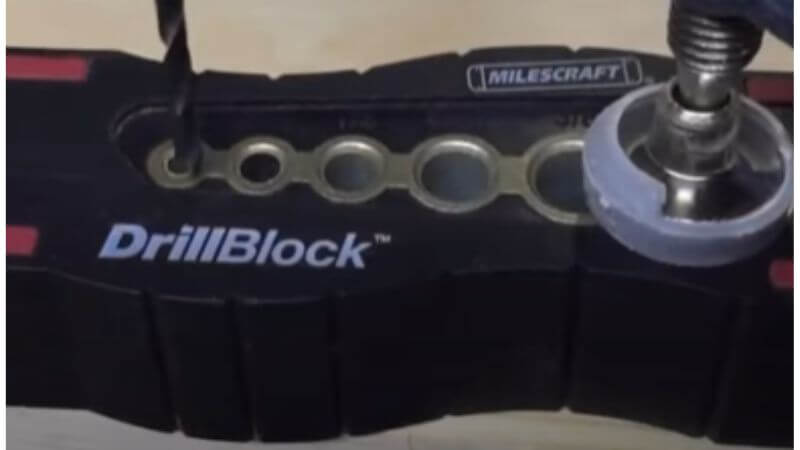
    Drilling a straight hole with a drill block

    If you’re looking to drill a precise, straight hole, you may be wondering if a drill block can help you achieve that goal. While a drill block can be a helpful tool in creating straight holes, it’s important to keep a few things in mind in order to ensure success.
    First, it’s important to select a drill block that is the same size or slightly larger than the drill bit you’ll be using. This will help to prevent the drill bit from wandering off course. Additionally, be sure to use a sharp drill bit – a dull bit is more likely to cause the drill to wander.

    Choosing the right drill block

    The material of the drill block should be considered. Different materials will require different types of drill bits and speeds. Second, the size of the hole to be drilled should be taken into account. Larger holes will require a larger drill block. Finally, the surface that the hole will be drilled into should be considered. Softer surfaces, such as wood, will require a different type of drill block than harder surfaces, such as metal.

    drill-block
    drill-block

    Drilling a straight hole with a drill block in 5 steps

    1. First, secure your workpiece in a vise or other clamping device. This will ensure that it doesn’t move while you’re drilling.
    2. Next, position the drill block on the workpiece. Make sure that the block is positioned exactly where you want the hole to be drilled.
    3. Once the block is in place, use a center punch to mark the spot where the hole will be drilled. This will help prevent the drill bit from slipping.
    4. Apply pressure to the drill block, keeping the drill bit straight. Slowly start drilling the hole.
    5. As you drill, periodically check to make sure the hole is staying straight. If it starts to veer off course, stop and realign the drill bit.

    Drilling a straight hole with a drill guide jig

    What is a drill guide jig?

    A drill guide jig is a tool that helps ensure precise, accurate drilling by providing a stable guide for the drill bit. By using a drill guide jig, you can avoid the potential for errors that can occur when hand-drilling, such as drift (the tendency of the drill bit to wander off course) or misalignment (drilling at an angle instead of perpendicular to the surface). Drill guide jigs are especially helpful when working with larger bits or when drilling multiple holes in a precise pattern.

    How to drill a straight hole with a drill guide jig in 5 steps

    1. Choose the right drill bit for the job. Make sure it’s the correct size and type for the material you’re drilling into.
    2. Attach the drill guide jig to your work surface. Use clamps or another method to secure it in place.
    3. Then, using a drill bit that’s slightly smaller than the diameter of your desired hole, drill through the jig’s guiding path.
    4. Once the bit has emerged on the other side of the workpiece, remove the jig.
    5. Finish drilling the hole, using a drill bit that’s the same size as the one you used in Step 3.

    Drilling a straight hole using a portable drill guide

    What’s a portable drill guide?

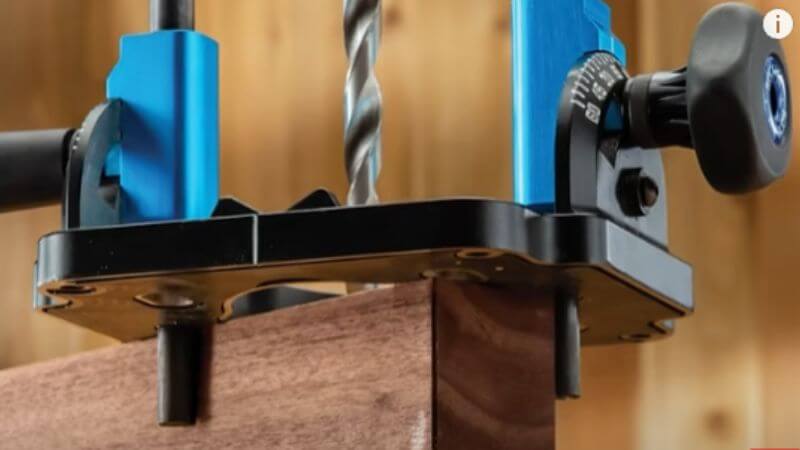
    A portable drill guide is a handheld device that helps you drill straight holes. It is especially helpful when you need to drill large holes or when you don’t have a drill press. A portable drill guide consists of a base, a guide rod, and a drill bit. The base is usually made of metal or plastic and has a set of jaws that clamp onto the workpiece. The guide rod is attached to the base and extends up through the center of the drill bit. The drill bit is held in place by a chuck that is connected to the guide rod.

    portable drill guide
    portable drill guide

    How to drill a straight hole using a portable drill guide in 5 steps?

    1. Begin by clamping the drill guide onto the workpiece. It’s important to make sure that the guide is level and squarely positioned before proceeding.
    2. Next, use a sharp bit to drill a pilot hole through the center of the guide. This will help to ensure that the main hole is perfectly straight.
    3. Once the pilot hole has been drilled, remove the drill bit and insert the desired drill bit for the main hole.
    4. Next, set up your drill bit in the guide. Make sure the bit is properly secured before starting to drill.
    5. Once the bit is set up, start drilling slowly and evenly. Don’t apply too much pressure, or the drill may wander off course. Keep drilling until the bit breaks through the other side of the workpiece.

    How to drill straight holes in the wall?

    If you’re hanging shelves or mounting a TV, you’ll need to drill perfectly straight holes in the wall. Here’s how to do it:

    1. Use a spirit level to mark a horizontal line on the wall where you want to drill the holes.
    2. Measure the distance between the marks and transfer these measurements to the drill bit.
    3. Use a tape measure to find the center point of each mark and make a small pencil mark. This is where you’ll start drilling.
    4. Put the tip of the drill bit on the mark and drill straight into the wall. Keep the drill bit perpendicular to the wall to ensure a straight hole.
    5. Repeat this process for each hole.

    How to drill straight holes in metal

    To ensure your holes are drilled perfectly straight every time, follow these tips from the experts. First, use a sharp drill bit that is the correct size for the material you’re drilling. A dull bit will cause the drill to wander, making it difficult to keep the hole straight.
    Next, secure the workpiece in a vise or clamp so it won’t move while you’re drilling. This will help prevent the drill bit from slipping and creating a crooked hole.

    Finally, take your time and apply steady pressure to the drill as it penetrates the metal. A slow and steady motion will result in a straighter hole than if you try to drill too quickly.

    FAQ

    What are drill bushings used for?

    Drill bushings are commonly used to protect workpieces from being damaged by drill bits. They also help to ensure that drill bits stay sharp for longer. Drill bushings can be made from a variety of materials, including metals, plastics, and composites.

    What kind of jig to use for drilling straight holes in wood?

    There are many different types of jigs that can be used for drilling straight holes in wood. The type of jig that you choose will depend on the specific project that you are working on. If you are working on a large project, you may want to consider using a drill press jig. This type of jig is designed to hold the drill bit in place so that you can drill straight holes without having to worry about the drill bit slipping.

    Can you drill a straight hole in a pipe?

    It is possible to drill a straight hole in a pipe, but it requires a few special considerations. First, the pipe must be properly secured in a vise or other holding device. Second, a sharp, high-quality drill bit must be used. Third, the drill bit must be the correct size for the pipe being drilled. Fourth, the drill bit must be lubricated with a cutting oil to prevent it from overheating. Finally, the drill bit must be turned slowly and steadily to avoid breaking the pipe.

    Can you drill straight holes in concrete?

    Drilling into concrete is a common DIY project, but it’s important to know whether or not your drill can handle the material. Many drills are not powerful enough to drill through concrete, so it’s important to check your drill’s specifications before beginning your project. If your drill is not powerful enough, you may be able to rent a more powerful one from a local hardware store.

    Conclusion

    Not everyone has time or money for a drill press, but that doesn’t mean you have to settle for crooked or off-center holes. Use the tips that I have mentioned here to drill straight holes at the bench or in the field.

  • Can You Use A Hammer Drill On Wood?

    Can You Use A Hammer Drill On Wood?

    When it comes to home improvement projects, there are a lot of tools that can be used for multiple purposes. This can be helpful when you’re trying to figure out what tool you need for a certain job. However, it can also be confusing, because sometimes it’s not clear if a tool can be used for a specific task. In this blog post, we’re going to clear up any confusion about whether or not you can use a hammer drill on wood.

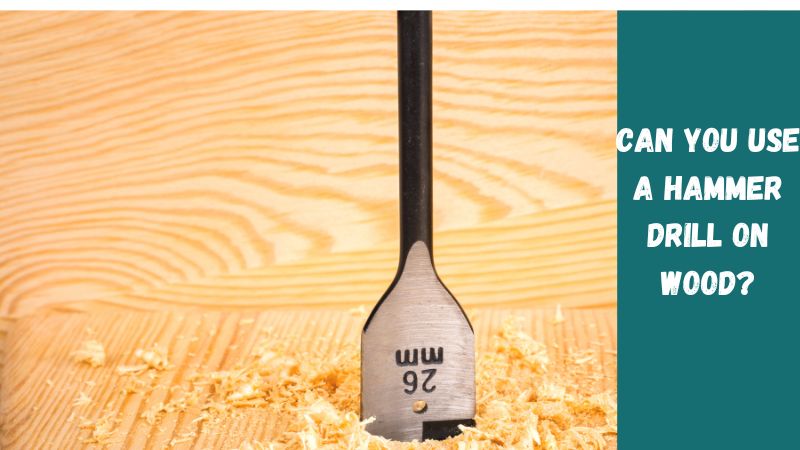
    So, can you use a hammer drill on wood? The answer is YES, you can. With the right bit, a hammer drill can be used on wood. Be sure to use a drill bit designed for use on wood, such as a spade bit or auger bit. Additionally, when using a hammer drill on wood, drill with drilling mode by turning off the hammer mode. Start with a small pilot hole to prevent the bit from slipping. Apply light pressure and use a slow speed to avoid splintering the wood.

    Regular and hammer drill

    When it comes to drilling holes into wood, there are two main types of drills that people use: regular drills and hammer drills. So, which one is better for the job ( Regular vs hammer drill)?

    Well, it really depends on what kind of hole you’re trying to drill. If you’re just drilling a small, shallow hole, then a regular drill will do just fine. However, if you’re trying to drill a large or deep hole, then a hammer drill is definitely the way to go.

    The main advantage of a hammer drill is that it can create much larger and deeper holes than a regular drill. This is because the hammering action of the drill bit helps to break up the wood fibers, making it easier to drill through.

    Regular drills are more versatile and can be used for a variety of tasks, but they are not as effective at drilling into hardwood. Hammer drills, on the other hand, are specifically designed for drilling into tougher materials like brick and concrete. They can also be used on wood, but they are more likely to cause damage to the material.

    Disadvantages of using a hammer drill on wood

    Although a hammer drill is a powerful tool that can make quick work of drilling through thick materials, it is not without its disadvantages. Here are five reasons why you should avoid using a hammer drill on wood:

    1. The hammering action can cause the drill bit to become stuck.
    2. The constant hammering can cause the drill bit to heat up, potentially causing it to break.
    3. The hammering action can also cause the wood to split or crack.
    4. The vibration from the hammering can be damaging to your hands and arms.
    5. The noise from the hammering can be extremely loud, potentially causing hearing damage.

    Therefore, make sure you have turned off the hammer mode while drilling through wood with a hammer drill.

    What kind of drills do you use on wood?

    There are many different types of drills that can be used on wood, depending on the desired results. For example, a standard drill can be used to create holes for screws, while a countersink drill can be used to create a pilot hole for a countersink screw. Other specialized drills include dowel jigs, which are used to create perfectly aligned dowel holes, and spade bits, which are used to create large, flat-bottomed holes. A Hammer drill can also be used to drill through wood, but it’s not an ideal choice.

    Right drill bits for drilling wood

    Choosing the right drill bits for drilling wood can be a tricky task, but it’s important to get it right in order to avoid damaging your drill or the wood itself. There are a few things to consider when choosing drill bits for wood, such as the type of wood you’re drilling, the size of the hole you need to drill, and the type of drill you’re using.

    One of the most important things to consider when choosing drill bits for wood is the type of wood you’re drilling. Different woods have different hardness levels, so choosing a drill bit that can drill through the wood without damaging it is essential.

    When drilling through softwood, it is important to use a drill bit that is specifically designed for that material. Softwood is a relatively soft material, so a drill bit with a sharp, carbon steel tip is ideal. If you’re drilling through hardwood, you’ll need a drill bit with a more durable tip, such as a diamond-tipped or titanium-coated drill bit.

    How to drill on wood using a hammer drill?

    Before we get started, it’s important to note that a hammer drill should only be used on softer woods, such as pine or cedar. If you’re looking to drill into harder woods, such as oak or maple, then you’ll need to use a standard drill.

    1. Choose the right drill bit. A standard drill bit will not work with a hammer drill – you will need to use a specialised hammer drill bit.
    2. Set the drill to the correct speed. A higher speed is better for drilling into wood. Drill with regular drilling mode and make sure you have turned off the hammer mode.
    3. Apply pressure to the drill bit. This will help to ensure that the drill bit does not slip.
    4. Start drilling the hole. Apply even pressure as you drill.
    5. Stop drilling when the hole is the desired depth.

    FAQ

    Can you use a rotary hammer drill for wood?

    A rotary hammer drill is a power tool that can create holes in hard surfaces by pounding a drill bit into the material. It is frequently used in construction and home improvement projects.

    Although a rotary hammer drill is designed for use on hard surfaces, it can be used for drilling holes in wood. When using a rotary hammer drill on wood, it is important to use a drill bit that is designed for use on that material. Some rotary hammer drill bits are designed for use on both wood and hard surfaces.

    Can you make holes in the wood using a hammer drill?

    Yes, you can drill holes in wood using a hammer drill. However, it is important to note that the size and depth of the hole will be determined by the type of drill bit you use. If you are looking to create a large or deep hole, it is best to use a larger drill bit.

    What kind of wood is suitable for drilling with a hammer drill?

    There are a few different types of wood that can be drilled with a hammer drill, but the most common and easiest to work with is pine. Pine is a softwood that is easy to drill through, and it also holds up well to the repeated pounding of the hammer drill. Other types of wood that can be used for drilling with a hammer drill include oak and maple.

    Hammer drill or rotary hammer – which one is better for woods?

    When it comes to smaller projects, a hammer drill will usually suffice. These drills are designed for light to moderate drilling, and they’re relatively easy to handle. Hammer drills also tend to be less expensive than rotary hammers.

    However, for larger projects, a rotary hammer is the better option. These drills are more powerful and can handle more heavy-duty drilling. Rotary hammers are also typically more expensive than hammer drills ( hammer drill vs rotary hammer).

    Conclusion

    In conclusion, yes, you can use a hammer drill on wood, but it’s not recommended. Wood is softer than metal, so although you can drill a hole through it, you won’t necessarily get a tightly fitted hole or strong, stable joint.

  • Rotary Hammer Vs Demolition Hammer

    Rotary Hammer Vs Demolition Hammer

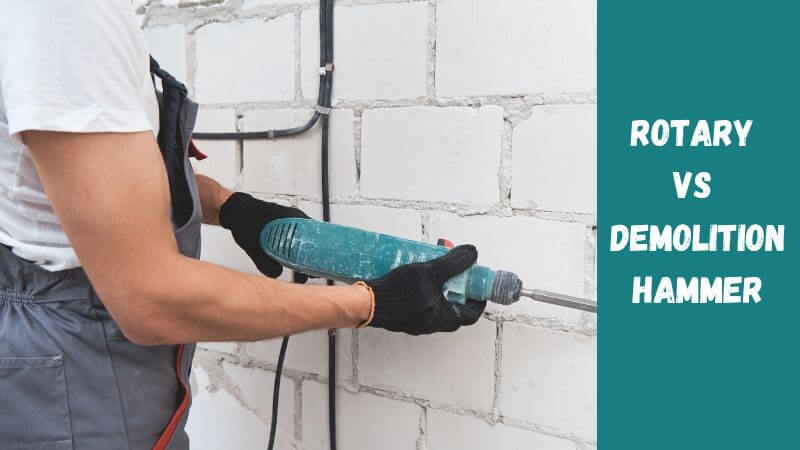
    When it comes to heavy-duty demolition work, most professionals rely on either a rotary hammer or a demolition hammer. But which one is the best tool for the job? To answer that question, it’s important to understand the difference between a rotary hammer and a demolition hammer. In this blog post, we are going to find out the differences between these two hammer drills.

    Related article

    What are rotary and demolition hammers?

    A rotary hammer is a type of power tool that uses a hammering action to drill into concrete and other hard materials. The tool is equipped with a rotating head that hammers the drill bit as it rotates, making it ideal for drilling large holes or breaking through thick concrete.

    A demolition hammer, also known as a breaker hammer or a jackhammer, is a powerful tool that is used for breaking up concrete, asphalt, or other hard materials. It typically consists of a large, heavy head that is attached to a long handle. The handle is usually made of metal or wood, and the head is usually made of steel.

    The demolition hammer is a very versatile tool and can be used for a variety of applications. For example, it can be used to break up concrete sidewalks, driveways, or patios. It can also be used to break up asphalt roads or parking lots. In addition, the demolition hammer can be used to break through walls or ceilings.

    Difference between rotary hammer and demolition hammer

    Working principle

    A rotary hammer is a power tool that uses a hammering action to drill holes in concrete or other hard materials. The working principle of a rotary hammer is based on the impact of a rotating hammer on the material to be drilled. The rotary hammer has a chisel-like tip that helps it to break through the material and a piston that drives the hammering action. The tool is also fitted with a drill bit that helps to create the hole.

    On the other hand, the working principle of a demolition hammer is simple: it uses a heavy hammer to deliver powerful blows to the target structure. This action breaks up the target structure, making it easier to remove.

    Drill bit

    There are many different types of drill bits that can be used with a rotary hammer, depending on the material you are drilling into. For example, carbide-tipped bits are good for concrete or stone, while twist bits are better for softer materials like wood or plastic. It is important to choose the right type of bit for the job to avoid damaging the material or the tool.

    The most common type of drill bit for a demolition hammer is a carbide-tipped masonry bit, which is designed for drilling into concrete and other masonry materials. Other types of bits that can be used include steel or tungsten-tipped bits, which are designed for drilling into harder materials.

    Rotation

    A rotary hammer drill has a piston that strikes a bit, similar to a hammer drill. But unlike a hammer drill, a rotary hammer also has a rotating component that helps it drill through tougher materials.

    A demolition hammer is basically a hammer drill on steroids. It generates a much higher level of force, making it ideal for breaking through concrete or other very hard materials.

    Power

    When it comes to power, rotary hammers and demolition hammers are two very different tools. Rotary hammers are designed for heavy-duty drilling, while demolition hammers are designed for breaking through concrete and other hard materials.

    Demolition hammers have more power than rotary hammers, making them the tool of choice for breaking through tough materials. However, rotary hammers are more versatile and can be used for drilling, chiseling, and other applications.

    Price

    There are a few key ways to differentiate rotary hammers and demolition hammers when it comes to price. For one, rotary hammers tend to be more expensive than demolition hammers. This is because rotary hammers are designed for more heavy-duty applications and can handle tougher materials.

    Additionally, rotary hammers usually have more features and functions than demolition hammers, which also contributes to the higher price tag. Finally, rotary hammers typically have a longer lifespan than demolition hammers, so you may end up spending less in the long run by investing in a rotary hammer.

    Utility

    The rotary hammer is a versatile tool that can be used for a variety of tasks, from drilling holes to chiseling concrete. It features a rotating head that delivers quick, powerful blows, making it perfect for heavy-duty jobs.

    Demolition hammers, on the other hand, are designed for breaking up larger chunks of material. They work by using a powerful hammering action to break materials apart. Both types of hammers are available in corded and cordless models.

    Advantages of rotary hammer over demolition hammer

    When it comes to tearing down walls or breaking up concrete, a demolition hammer is the tool of choice for many professionals. However, a rotary hammer can offer some advantages over a demolition hammer in certain situations. Here are five benefits of using a rotary hammer:

    1. Greater versatility – a rotary hammer can be used for drilling, chiseling and hammering, while a demolition hammer is only suitable for breaking up materials.
    2. More impact- a rotary hammer delivers more impact than a demolition hammer, making it ideal for tougher jobs.
    3. Better maneuverability – a rotary hammer is easier to control than a demolition hammer, thanks to its lighter weight and ergonomic design.
    4. More efficient: Rotary hammers are more efficient than demolition hammers, meaning they can get the job done faster.
    5. More comfortable: Rotary hammers are more comfortable to use than demolition hammer.

    Advantages of demolition hammer over rotary hammer

    There are several advantages that a demolition hammer has over a rotary hammer, making it the preferred choice for many demolition and construction projects. Here are five of the main advantages:

    1. More powerful: Demolition hammers are designed to deliver more power than rotary hammers, making them ideal for breaking through tougher materials.
    2. More versatile: Demolition hammers can be used for a variety of applications, such as breaking through concrete, bricks, and stone. Rotary hammers are more limited in their capabilities.
    3. More maneuverable: Demolition hammers are more maneuverable than rotary hammers, making them easier to use in tight spaces.
    4. More comfortable to use: Demolition hammers are typically more comfortable to use than rotary hammers, thanks to their ergonomic design and lower vibration levels.
    5. Easy to control: Demolition hammers are easier to control than rotary hammers.

    Rotary hammer or demolition hammer? – which one to buy?

    When to buy a rotary hammer?

    There are many different applications for rotary hammers, making them a versatile tool for both professionals and amateurs alike. When choosing a rotary hammer for a particular project, it is important to consider the specific needs of the job at hand.

    For example, if you are working with soft materials such as wood, a lower-powered rotary hammer may be sufficient. However, if you are working with harder materials such as concrete, a more powerful rotary hammer will be required. Additionally, it is important to consider the size and weight of the rotary hammer, as this will affect its maneuverability and how easy it is to use.

    When to buy a demolition hammer?

    There are a few key situations in which a demolition hammer is preferable to a rotary hammer. One is when working with very dense materials, such as concrete. The other is when needing to apply a lot of force to a small area – for example, when chiseling out a section of concrete.

    If you’re working with tougher materials like concrete, brick, or stone, then a demolition hammer is likely the better option. Demolition hammers tend to be more powerful than rotary hammers, so if you need a lot of power for your project, then a demolition hammer is probably the way to go.

  • Hammer Drill Vs Rotary Hammer

    Hammer Drill Vs Rotary Hammer

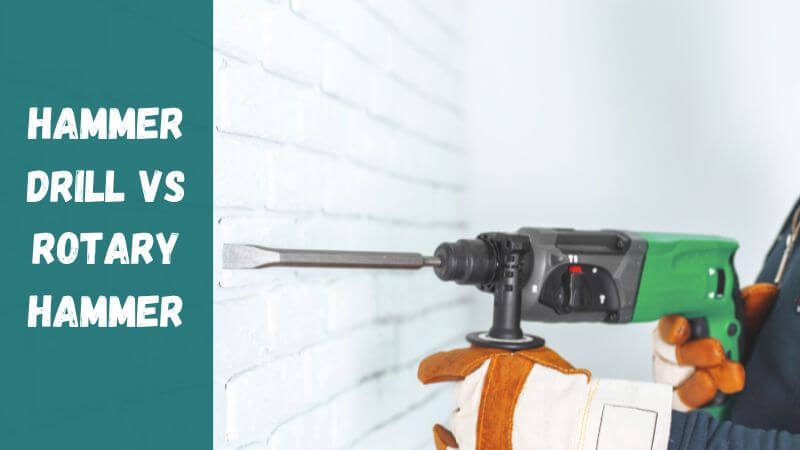
    There are many different types of drills on the market, and it can be difficult to decide which one is right for your needs. If you’re looking for a drill to use for household projects or light-duty work, a hammer drill is a good choice. But if you need a drill for heavier projects, a rotary hammer is a better option. Here’s a look at the differences between these two types of drills to help you choose the right one for your needs.

    What is a hammer drill?

    A hammer drill is a power tool that is used to create holes in hard materials, such as concrete and brick. It works by using a hammering action to drill through the material, making it ideal for creating large holes. The hammer drill is a versatile tool that can be used for a variety of tasks, including drilling holes for dowels, attaching screws, and even breaking up concrete.

    One of the benefits of using a hammer drill is that it can create holes much faster than a traditional drill. Additionally, the hammering action helps to clear any debris that might be present in the hole, which can make the drilling process easier and quicker.

    How does a hammer drill work?

    Hammer drills create holes in hard materials, such as concrete and stone. It works by using a hammering action to rotate a drill bit at high speed. The drill bit breaks up the material as it rotates, and the debris is ejected from the hole.

    The hammering action also provides a forward thrust that helps to push the drill bit through the material. This makes it much easier to drill through tough materials than with a standard drill.

    Hammer drills are available in both corded and cordless versions. Cordless drills are more convenient, but they may not have the power or run time of a corded drill.

    What kind of drill bit for a hammer drill?

    There are a few different types of drill bits that can be used with a hammer drill, depending on the specific application. For general purpose drilling, a carbide-tipped drill bit is a good option. These bits are designed to withstand the high impact of a hammer drill and can handle a variety of materials including concrete, bricks, and stone.

    If you’ll be drilling through particularly hard materials, or if you need a bit with a longer lifespan, consider using a diamond-tipped drill bit. These bits are the most expensive option, but they will stay sharp longer and can handle even the hardest drilling applications.

    What is a rotary hammer?

    A rotary hammer is a power tool that uses a hammering action to drill holes in concrete or other masonry materials. The hammering action of the rotary hammer produces a lot of vibration, so it is important to use a tool with good vibration dampening properties to minimize the risk of injury to the operator. Rotary hammers are available with different power levels and features, so it is important to choose the right tool for the job.

    How does a rotary hammer work?

    A rotary hammer is a type of power tool that uses a rotating head to drive a hammering action. The head of the tool is attached to a piston that is powered by an electric motor. As the piston moves up and down, it drives the head of the tool in a rotating motion.

    This action causes the head of the tool to strike the material that you are working on, providing a pounding action that is ideal for breaking up concrete or driving nails. The resulting hammering action is ideal for breaking up concrete, asphalt, and other materials.

    Rotary hammer drill
    Rotary hammer drill

    What kind of drill bit for a rotary hammer?

    When using a rotary hammer, it is important to select the proper drill bit. There are many different types of drill bits available, so it is important to select the one that is best suited for the job at hand. For example, when drilling through concrete, a masonry bit is the best choice. These bits are designed to penetrate the hard surface of the material, making the job easier.

    Advantages of a hammer drill

    A hammer drill provides many advantages over a standard drill, making it a valuable tool for any household. Hammer drills are able to drill through tougher materials, such as concrete and stone, with ease. Additionally, they can also be used to drill larger holes than a standard drill.

    Another advantage of a hammer drill is that it can be used for a variety of applications. For example, they can be used to drill holes for anchors, install new fixtures, or make repairs. In addition, hammer drills can also be used to chisel away at materials. This makes them ideal for tasks such as removing tiles or breaking up concrete.

    Advantages of a rotary hammer

    A rotary hammer drill is a power tool that can make holes in concrete and other masonry surfaces. It is equipped with a rotating drill bit that bores holes by breaking up the material as it rotates. A hammer drill also has a hammering action that helps to break up the material. The hammering action is produced by a piston that strikes the drill bit.

    The rotary hammer drill is a very versatile tool. It can be used to drill holes for concrete anchors, install electrical outlets, or hang pictures. It can also be used to chisel away concrete or to remove tile. The rotary hammer drill is a very powerful tool that can accomplish many different tasks.

    Disadvantages of a hammer drill

    • Hammer drills can be more expensive than regular drills.
    • Hammer drills are heavier and bulkier than regular drills, making them more difficult to handle and maneuver.
    • The constant hammering motion can cause fatigue more quickly than using a regular drill.
    • Hammer drills can create more noise than regular drills.
    • Hammer drills can create more vibration than regular drills, making it difficult to keep a steady grip on the drill.

    Disadvantages of a rotary hammer

    • Rotary hammers can be heavy and difficult to maneuver, which can lead to user fatigue.
    • They produce a lot of vibration, which can be uncomfortable for the user and can also cause tool slippage.
    • They are loud, which can be a safety hazard for both the user and those nearby.
    • Rotary hammers can be expensive, which can limit their affordability for some users.
    • They require regular maintenance and care, which can be time-consuming.

    Difference between a hammer drill and a rotary hammer

    • A Hammer drill is mostly used for drilling into softer materials like wood, whereas a rotary hammer is better suited for drilling into harder materials like concrete.
    • Hammer drills have a more compact and lightweight design, making them easier to handle. Rotary hammers are larger and heavier, making them better suited for more heavy-duty applications.
    • Hammer drills are powered by electricity, whereas rotary hammers are powered by compressed air.
    • Hammer drills are typically used for drilling smaller holes, while rotary hammers are better suited for larger holes.
    • Hammer drills are typically lighter and more maneuverable than rotary hammers.
    • Rotary hammers typically have more power than hammer drills.
    • A hammer drill uses a chuck to grip the bit, while a rotary hammer has a built-in bit that is not removable. This means that a rotary hammer is not able to use different bits, while a hammer drill can.

    Bottom line

    In conclusion, both types of drills are useful to homeowners who plan to undertake a number of DIY projects. There are, however, differences between the two in terms of speed, the number of screws they can screw in, the speed at which they work, weight, etc. A rotary hammer may be a bit heavier than a drill, but it’s faster, has more powerful drills, and has more torque.

  • How To Drill Through Rebar In Concrete?

    How To Drill Through Rebar In Concrete?

    If you’re working with concrete, you may occasionally need to drill through rebar. Rebar is a steel bar that’s used to reinforce concrete. It’s strong and durable, but it can be a challenge to drill through. In this blog post, we’ll share some tips on how to drill through rebar in concrete. With the right tools and techniques, you can get the job done quickly and efficiently.

    Properties of ferroconcrete

    Ferroconcrete is a composite material consisting of concrete and reinforcement, typically steel rebar. It is widely used in construction due to its high strength and durability. Ferroconcrete can be cast into various shapes and sizes, making it versatile for use in a variety of applications. The steel reinforcement provides strength and stiffness, while the concrete protects the steel from corrosion.

    Here are five key properties of ferroconcrete:

    1. Increased Strength: Ferroconcrete is significantly stronger than regular concrete, making it an ideal choice for construction projects that require a high level of durability.
    2. Enhanced Durability: In addition to being stronger, ferroconcrete is also more resistant to damage from weathering, chemicals, and other environmental factors.
    3. Improved Longevity: Because it is so strong and durable, ferroconcrete structures can last for many years with proper maintenance.
    4. It is also resistant to fire and extreme temperatures. Ferroconcrete is easy to work with and can be molded into any shape.
    5. This type of concrete is also very versatile and can be used for a variety of applications.

    What are the complications of drilling rebar?

    When working with reinforced concrete, it is important to take into account the potential complications that can arise from drilling rebar. Here are the most common problems:

    1. Drilling into rebar can create dust and debris that can be inhaled, posing a health hazard.
    2. The vibration from drilling can loosen the rebar, potentially leading to structural instability.
    3. The heat generated from drilling can cause the rebar to expand, which can lead to cracking and damage to the concrete.
    4. If the rebar is not properly anchored, drilling can cause it to become dislodged. This can pose a safety hazard if the rebar falls and strikes someone.
    5. The rebar may be too hard for the drill bit, causing it to break or wear down quickly.
    6. If the concrete is damaged, it can create a weak spot that can eventually lead to cracking or breaking.

    Concrete drill bit for rebar

    There are many different types of concrete drill bits for rebar, each designed for a specific type of concrete drilling application. The type of drill bit you need will depend on the size and type of rebar you’re drilling into, as well as the type of concrete you’re drilling into.

    For example, if you’re drilling into reinforced concrete, you’ll need a different type of drill bit than if you’re drilling into regular concrete. There are also different types of drill bits for different types of power drills, so be sure to choose the right type of drill bit for your drill.

    There are a few different types of bits that can be used to drill into reinforced concrete, so it’s important to choose the right one for the job. A standard masonry bit can work for small projects, but for larger projects, you’ll need a carbide-tipped bit. This type of bit is designed to withstand the high amount of pressure that’s required to drill into rebar.

    However, in general, you want to use a carbide-tipped drill bit. These are designed to withstand the high speeds and impact that are necessary when drilling into concrete.

    What size drill bit for rebar

    When working with rebar, it is important to use the correct size drill bit. Depending on the thickness of the rebar, you will need to use a drill bit that is anywhere from 1/4 to 1/2 inch in diameter. If you are using a power drill, make sure that the drill bit is compatible with the size of the drill chuck. It is also important to use a sharp drill bit, as this will make the drilling process easier and will help to avoid damaging the rebar.

    What type of drill machine to drill through rebar in concrete?

    If you’re looking to drill through rebar in concrete, you’ll need to use a powerful drill machine ( read our recommendation on the best concrete hammer drill). A corded drill is a good option, as it will provide consistent power. Be sure to use a carbide-tipped drill bit, as this will be able to withstand the high amount of force required to drill through rebar.

    You’ll need to use a rotary hammer drill. Rotary hammer drills are built to handle tougher drilling applications, and they’re able to do so thanks to their unique design. Rather than relying on a simple spinning motion to create friction and heat, rotary hammer drills use a piston-like action to generate powerful blows. This makes them ideal for drilling through tougher materials like rebar.

    Drilling through rebar in concrete

    If you need to drill through rebar in concrete, follow these five steps for the best results:

    1. Select the right drill bit. Depending on the diameter of the rebar, you will need to use a carbide-tipped drill bit or a multipurpose tip drill bit. Be sure to match the size of the drill bit to the size of the rebar.
    2. Apply pressure to the drill. When you are ready to start drilling, apply pressure to the drill while also keeping the drill bit perpendicular to the rebar.
    3. Use a slow speed. Drilling through rebar can be difficult, so it is important to use a slow speed when you are drilling. This will help to prevent the drill bit from getting stuck in the rebar.
    4. Lubricate the drill bit. This will help to prevent the bit from overheating.
    5. Drill slowly and steadily. Apply gentle pressure to the drill bit to avoid breaking it.
    6. Use a hammer drill. This will make it easier to drill through the rebar.
    7. If the drill bit becomes stuck, try using a larger drill bit.

    Tips for drilling concrete with rebar

    If you’re working with concrete that contains rebar, you’ll need to take special care to avoid damaging the steel reinforcement. Here are some tips to help you drill through concrete with rebar:

    1. Use a hammer drill. A standard drill will not be able to generate the high-powered, rapid movements needed to drill through concrete with rebar. A hammer drill, on the other hand, is specifically designed for this type of work.
    2. Use a carbide-tipped masonry bit. This type of bit is much stronger than a standard drill bit, and is up to the task of drilling through concrete with rebar.
    3. Be sure to keep the drill bit lubricated with water while you’re working – this will help to prevent the bit from overheating and will make the drilling process go much smoother.
    4. Mark the spot where you will be drilling. Use a pencil or other marker to clearly mark the spot on the concrete where you will be drilling. This will help ensure that you drill in the correct location and avoid damaging any nearby rebar.
    5. Use the correct drill speed. When drilling into concrete with rebar, it’s important to use a lower drill speed than you would without rebar.

    FAQ

    How to avoid rebar when drilling concrete?

    There are a few ways to avoid rebar when drilling into concrete. One way is to use a concrete drill bit that is specifically designed to drill through concrete and rebar. These drill bits have a special coating that helps them withstand the impact of hitting rebar.

    Another way to avoid rebar is to use a metal detector to scan the area before drilling. This will help you to identify any rebar that might be in the concrete.

    How to make a hole in concrete with rebar?

    If you need to make a hole in concrete that is reinforced with rebar, the best way to do it is with a rotary hammer drill. First, you will need to determine the diameter of the hole you need to drill. Then, using a carbide-tipped masonry drill bit that is slightly smaller than the diameter of the hole, drill a pilot hole into the concrete.

    Next, insert the rebar into the pilot hole. If the rebar is too long, you will need to cut it to size using a hacksaw. Once the rebar is in place, begin drilling the hole using the rotary hammer drill. Start with a slow speed and gradually increase the speed as you go.

    What if I hit rebar while drilling concrete?

    If you hit rebar while drilling concrete, there are a few things you can do to mitigate the damage. First, try to avoid drilling through any areas that you know contain rebar. If you must drill through an area with rebar, use a smaller drill bit than you would normally use.

    This will help to minimize the amount of damage that is done to the rebar. If the rebar is only slightly damaged, you may be able to continue using the drill bit. However, if the rebar is severely damaged, you will need to replace the drill bit.

    Can you use a regular drill to drill into concrete?

    If you’re looking to drill into concrete, you’ll need to make sure you have the right type of drill. A regular drill won’t be able to handle the job, and you could end up damaging your drill or injuring yourself. You’ll need a drill that’s specifically designed for concrete, such as a hammer drill. With the right drill, you’ll be able to get the job done quickly and safely.

    Should you use water when drilling concrete?

    When drilling concrete, you should always use water to keep the drill bit cool and prevent the concrete from overheating. Not using water when drilling concrete can cause the drill bit to overheat and break, and can also damage the concrete.

    How far to drill into concrete for rebar?

    When installing rebar into concrete, it is important to ensure that the metal bars are properly secured. One way to do this is to drill into the concrete at the correct depth.

    The depth that you will need to drill will depend on the diameter of the rebar that you are using. For example, if you are using rebar that is 1/2 inch in diameter, you will need to drill a hole that is at least 2-1/2 inches deep.

    If you are unsure of the correct depth to drill, it is always best to err on the side of caution and drill a slightly deeper hole. This will help to ensure that the rebar is properly secured in place.

    Conclusion

    In conclusion, you can drill through concrete using a drill and a diamond or carbaide-tipped concrete drill bit. It’s a good idea to wear heavy duty work gloves, a long-sleeved shirt and safety glasses. Concrete is harder than steel, rubber or plastic, so you’ll need a special drill bit that can dig into concrete. The bit has teeth that grip the rebar and allow you to pull it clear.

  • How To Drill Holes In Plexiglass Without Cracking?

    How To Drill Holes In Plexiglass Without Cracking?

    Plexiglass is a durable, transparent material that is often used in place of glass. While it is strong and shatter-resistant, plexiglass can crack if not properly handled. Drilling holes into plexiglass can be tricky, but with the right technique, it is possible to drill holes without cracking the material. In this article, I’ll teach you how you can drill holes in plexiglass without cracking it. Let’s get started.

    Plexiglass is a type of hard plastic that is used in a variety of applications. It is strong and durable, yet still transparent like glass. Because of these qualities, plexiglass is often used as an alternative to glass in windows, windshields, and other applications. When drilling into plexiglass, it is important to use a drill bit that is specifically designed for hard plastics.

    What kind of drill bit is used for plexiglass?

    For plexiglass, the best type of drill bit to use is a carbide-tipped drill bit. These bits are made with a harder material that is able to withstand the high drilling speeds needed to drill through plexiglass.

    A carbide-tipped drill bit is the best choice for drilling through plexiglass. Carbide is a very hard material that stays sharp longer than other drill bit materials, making it ideal for repeated use on plexiglass. Carbide-tipped drill bits also create cleaner holes with less burr buildup around the edges.

    What kind of drill machines for plexiglass?

    When it comes to drilling plexiglass, you need to use a drill machine that is specifically designed for this type of material. There are a few different types of drill machines on the market that can be used for plexiglass, but not all of them are created equal.

    Some of the most common drill machines for plexiglass include:
    Rotary drills: These are the most common type of drill used for plexiglass. They are very versatile and can be used for a variety of applications.
    Percussion drills: These drills are designed for more heavy-duty applications. They are often used to drill through tougher materials, such as metals.
    Diamond tip drills: These drills are designed specifically for drilling through plexiglass. They are very sharp and can easily create clean and precise holes.

    Drilling holes in plexiglass

    Drilling holes in plexiglass can be a bit tricky, but with the right tools and a little know-how, it’s definitely doable. Here’s a quick step-by-step guide:

    1. Begin by using a sharp awl or similar pointed tool to make a starting indentation in the plexiglass. This will help keep your drill bit from slipping.
    2. Next, use a sharp bit designed specifically for drilling through the plastic. A spade bit or other type of hole saw can also work well.
    3. Apply gentle pressure as you drill, and keep the bit cool by regularly dipping it in water. Avoid putting too much pressure on the drill bit, as this can also cause the plexiglass to crack.
    4. Once you’ve drilled through the plexiglass, use a file or sandpaper to smooth out the edges

    Tips for drilling holes in plexiglass

    Use a sharp drill bit.

    When drilling holes in plexiglass, it is important to use a sharp drill bit. A sharp bit will create a clean hole and help to prevent cracking or chipping of the material. Plexiglass is a strong and durable material, but it can be brittle and is therefore susceptible to damage if not drilled correctly. Using a sharp drill bit is the best way to ensure a clean, precise hole.

    Use a slower speed

    When drilling holes in plexiglass, it is important to use a slower speed than you would when drilling through other materials. This is because plexiglass is a softer material and is more likely to crack if drilled too quickly. By using a slower speed, you can avoid cracking the plexiglass and ensure a clean, precise hole.

    Use a lubricant

    There are a few reasons why you might want to use a lubricant while drilling holes in plexiglass. First, it can help to prevent the drill bit from overheating. Second, it can help to reduce the amount of friction between the drill bit and the plexiglass, which can make the drilling process easier and help to extend the life of your drill bit.

    Go slowly

    When drilling holes in plexiglass, it is important to go slowly in order to avoid cracking or shattering the material. Plexiglass is a type of thermoplastic, meaning that it is sensitive to heat. If the drill bit becomes too hot, it can cause the plexiglass to deform. Going slowly also helps to avoid creating too much friction, which can also lead to heat build-up.

    Use a backing board

    When drilling holes in plexiglass, it is important to use a backing board in order to avoid cracking or shattering the material. By using a backing board, the force of the drill is evenly distributed and helps to prevent the plexiglass from breaking.

    FAQ

    How to screw into plexiglass?

    To screw into plexiglass, you will need to use a drill bit that is slightly smaller than the diameter of the screw. Drill slowly and carefully to avoid cracking the plexiglass. Start by making a pilot hole in the center of where you want to place the screw. Insert the screw into the pilot hole and tighten it until it is snug.

    Are plexiglass and acrylic the same?

    Plexiglass and acrylic are both thermoplastic materials. They have very similar properties, but there are some key differences between the two.

    Plexiglass is a brand name for a specific type of acrylic sheeting. Acrylic is the generic name for a clear plastic that is often used in place of glass. It is lightweight, durable, and easy to work with. Plexiglass is often used in applications where glass would be too heavy or fragile, such as in car windows and skylights.

    Acrylic is a cheaper alternative to plexiglass. It is not as scratch resistant as plexiglass, but it is easier to mold and shape.

    How to repair a hole in the plexiglass?

    If you have a hole in your plexiglass, there are a few different ways that you can repair it. You will need to decide what type of repair you need based on the size and location of the hole.
    For small holes, you can use a clear epoxy. First, clean the area around the hole with a soft cloth. Then, mix the epoxy according to the manufacturer’s instructions. Apply the epoxy to the hole and allow it to dry.

    For bigger holes, you will need to use a plexiglass patch. First, cut a piece of plexiglass that is slightly larger than the hole. Clean the area around the hole and then apply a layer of adhesive.

    What speed to drill plexiglass?

    Generally speaking, the best speed to drill plexiglass is between 3,000 and 4,000 revolutions per minute (RPM). This will ensure that the plexiglass is drilled quickly and smoothly. However, it is always best to consult with a professional before drilling plexiglass, as they will be able to provide specific advice based on your individual circumstances.

    What kind of screws to use on plexiglass?

    When it comes to choosing screws for plexiglass, it is important to consider the material’s unique properties. Plexiglass is a brittle material, meaning that it can crack or shatter under too much stress. Therefore, it is important to use screws that will not exert too much force on the plexiglass, which could cause it to break.

    There are a few different types of screws that can be used on plexiglass. The most common type is a flat head screw, which has a wide, flat head that will distribute the force evenly over a large surface area. This reduces the risk of the screw causing the plexiglass to crack.

    Related article

    Conclusion

    In conclusion, experts agree that you should use a drill only to drill holes in plexiglass. If you are using the drill for other purposes, the operator is likely to break something. Also, the drill will vibrate, so it is better to stand away from the plexiglass. Remember the drill is a useful tool, but like any other tool, it needs to be handled with care.

  • How To Drill Holes In Tight Spaces?

    How To Drill Holes In Tight Spaces?

    If you’re like most people, you probably don’t enjoy drilling holes. It’s loud, it’s messy, and it’s just generally not a lot of fun. But sometimes, you just need to drill a hole. Maybe you’re hanging a picture or mounting a shelf, and there’s just no other way to do it. If you find yourself in a situation where you need to drill a hole in a tight space, there’s no need to worry. With a little bit of patience and the right tools, you can get the job done quickly and easily.
    In this blog post, we’ll show you how to drill holes in tight spaces. We’ll discuss the best tools to use and offer some helpful tips to make the job as easy as possible. So whether you’re a first-time driller or a seasoned pro, we hope you find this post helpful.

    Drilling holes in tight spaces with a right angle drill attachment

    What is a right angle attachment?

    A right angle drill attachment is a versatile tool that can be used to drill holes in tight spaces. This type of attachment typically attaches to the chuck of a drill, and the drill bit is then inserted into the attachment. The attachment then allows the drill bit to be rotated in a clockwise or counterclockwise direction, depending on the needs of the user.

    Advantages of right angle attachment

    There are many reasons to use a right angle drill attachment – from getting into tight spaces to reducing user fatigue. Here are just a few reasons why you might want to consider using a right angle drill attachment:

    1. You can get into tighter spaces – This is perhaps the most obvious reason to use a right angle drill attachment. If you need to drill a hole in a tight spot, a right angle drill attachment can help you get the job done.
    2. You can reduce user fatigue – Another big advantage of using a right angle drill attachment is that it can help reduce user fatigue. If you’re drilling a lot of holes, holding a regular drill can be tiring.
    3. Increased Maneuverability: One of the biggest advantages of using a right angle drill attachment is the increased maneuverability it offers. This is especially beneficial when working in tight spaces or when trying to drill at an awkward angle.
    4. More torque: Another advantage of using a right angle drill attachment is the increased torque it offers. This can come in handy when attempting to drill through tougher materials.

    How to use a right angle attachment to drill holes in tight spaces?

    If you need to drill a hole in a tight space, you can use a right angle attachment to make the job easier. To attach the right angle attachment, first make sure that the drill bit is compatible with the attachment. Follow below steps to drill with a right angle drill attachment:

    1. First, identify the area where you need to drill the hole. Make sure that there is enough room for the attachment and that you have a clear path to the workpiece.
    2. Next, attach the right angle attachment to your drill. Make sure that it is securely in place.
    3. Then, position the drill so that the bit is lined up with the hole you need to drill.
    4. Finally, start drilling the hole. Use a slow and steady speed to avoid damaging the workpiece or the attachment.
    5. Keep the drill steady and continue drilling until the hole is the desired depth.

    drilling a hole in drywall when spaces are tight

    When you need to drill a hole in drywall and space is tight, there are a few things you can do to make the job easier. Use a drill bit that is slightly smaller than the diameter of the screw or anchor you’re using. This will make it easier to start the hole and avoid any damage to the wall surface.

    Use a sharp drill bit and go slowly at first to avoid breaking through the paper surface of the drywall. Finally, be careful not to over-tighten the screw or anchor once it’s in place, as this can cause the drywall to crack.

    When spaces are tight and you need to drill a hole in the drywall, follow these five steps for a clean and precise result:

    1. Select the appropriate drill bit. For drywall, you will need a spade bit or hole saw that is slightly larger than the diameter of your screw or anchor.
    2. Mark the center of the hole with a pencil. Use a level to make sure your mark is straight.
    3. Drill a pilot hole. This will help to prevent the drill bit from slipping.
    4. Begin drilling the hole, applying gentle pressure. Keep the drill steady and straight.
    5. Drill slowly and carefully around the perimeter of the hole.

    Making holes through metal in tight spaces

    If you need to make a hole in metal but don’t have a lot of space to work with, you’ll need a few special tools. First, you’ll need a hand drill or power drill with a small drill bit. A 1/16″ or 1/8″ drill bit will usually do the trick. You’ll also need a sharp metal file. A rat-tail file is ideal for this purpose.

    To start, mark the center of the hole you need to drill with a pencil. Then, using the file, make a small divot in the metal at the center of the hole. This will help keep the drill bit from slipping. Follow the below simple steps:

    1. First, you’ll need to gather the right tools. You’ll need a power drill, a metal drill bit, and a piece of masking tape.
    2. Place the masking tape over the area where you want to make the hole. This will help to prevent the drill bit from slipping.
    3. Use the power drill to slowly drill through the metal. Apply steady pressure and go slowly to avoid damaging the metal.
    4. Once you’ve made it through the metal, remove the drill bit and clean up any debris.

    Related article

    Conclusion

    In conclusion, A power drill is a useful tool, but it takes some practice to drill properly. To avoid causing extensive damage or personal injury, follow these steps to select the best drill bit, always wear eye protection, use caution when drilling in confined spaces and always turn off the power when completed.