Author: ToolsTutor

  • What are the different types of drill bits?

    What are the different types of drill bits?

    There are many different types of drill bits available on the market, designed for different materials and applications. The most common types of drill bits are made from high-speed steel (HSS), which is ideal for drilling into wood, metal, and plastic. HSS drill bits are available in a variety of sizes and styles, including twist, spade, and brad point bits. In this article, we will discuss different types of drill bits and their use.

    For drilling into tougher materials, such as concrete and stone, carbide-tipped drill bits are the best option. These drill bits are made from a harder material, which makes them more durable and able to withstand the high temperatures that are generated when drilling into tougher surfaces.

    What is a drill bit?

    A drill bit is a cutting tool used to create holes in a variety of materials, including wood, metal, and plastic. It is usually made of steel and other coating materials ( materials of drill bits). Drill bits come in a variety of sizes, shapes, and materials, and are typically classified according to their intended use. Common types of drill bits include twist bits, spade bits, and auger bits.

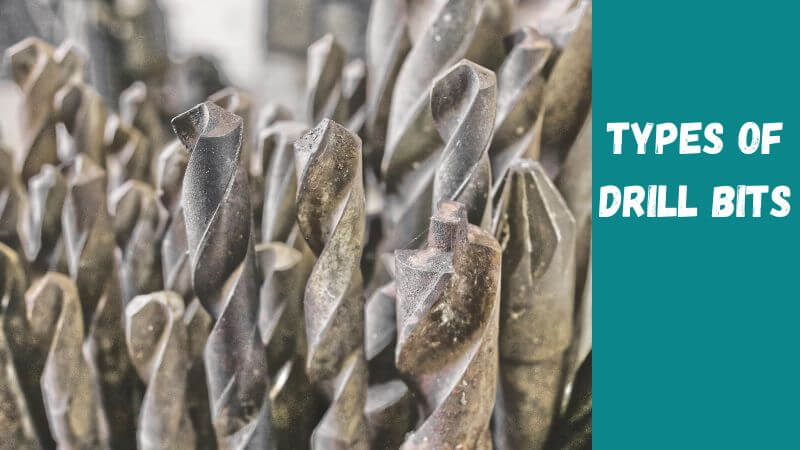
    Different types of drill bits

    Spade bits

    Spade drill bits are a type of drill bit that is used for drilling holes in wood. The name “spade” comes from the fact that these drill bits look like a spade or shovel. The drill bits have a pointed tip that helps to penetrate the wood and a wide body that helps to clear away any debris that is generated while drilling. They have a blade-like tip that is used to cut through the wood. These drill bits are very sharp and can be used to drill through thick pieces of wood.

    Auger bits

    Auger drill bits are a type of drill bit that is used for drilling in wood. The auger bit has a screw-like shape that allows it to drill into wood more easily than other types of drill bits. The auger bit is also less likely to slip out of the wood while drilling, making it a more efficient and effective tool for drilling in wood.

    Auger drill bits are a type of twist drill bit that is designed for use with a hand-operated drill. The flutes of the drill bit are set at a helix angle and the bit is used to create a hole by drilling into the material. The auger drill bit is most commonly used for drilling holes in wood.

    Brad point bits

    Brad point drill bits are a type of drill bit that is designed for use with wood. The main distinguishing feature of brad point drill bits is their sharp, spade-like tip. This tip helps to make the drill bit more accurate when drilling into wood, as it prevents the bit from wandering. Additionally, the sharp tip helps to make cleaner holes in the wood.

    These drill bits are used to create clean, accurate holes in wood. Brad point drill bits have a sharp, narrow point that helps to prevent the drill bit from walking across the surface of the wood. The cutting edges on brad point drill bits are angled slightly inward, which helps to keep the drill bit from slipping out of the hole as it is being drilled.

    Countersink bits

    Countersink drill bits are specialized drill bits that are designed to create a conical hole in a workpiece. This type of hole is typically used to accommodate a screw or bolt head. Countersink drill bits are available in a variety of sizes and can be used in a handheld drill or drill press.

    The drill bit has a tapered tip that allows it to create a hole with a diameter that gradually gets wider towards the bottom. This is in contrast to a standard drill bit, which has a cylindrical shape and creates a hole with a constant diameter.

    Forstner bits

    Forstner drill bits are a bit used for drilling flat-bottomed holes in wood. The design of the bit allows it to cut cleanly and smoothly through the material, making it ideal for a variety of applications. Forstner bits are available in a range of sizes to accommodate different project requirements.

    These bits are typically used in woodworking, but can also be used in other materials. Forstner drill bits have a variety of different uses, such as drilling pilot holes for dowels or hinges, as well as creating countersinks.

    Hole saws bit

    Hole saws are drill bits that are designed for making large, clean holes in a variety of materials. They are often used in construction and woodworking projects and can be fitted with a variety of different drill bits to suit the specific material being drilled. They are also used in renovation projects to create openings for plumbing, electrical, and HVAC systems. Hole saws are available in a variety of sizes, and can be used with either hand-held or power drills.

    Standard Twist Drill Bit

    Standard twist drill bits are the most common type of drill bit. They are used for drilling round holes in a variety of materials, including wood, metal, and plastic. The bits are made from high-speed steel and have a tapered point that helps to keep the bit from walking or wandering while in use. The bits are available in a variety of sizes, from small diameters used for electronics work to large diameters used for drilling holes in structural materials. Twist drill bits come in a variety of sizes, and the most common sizes are 1/16″, 3/32″, 1/8″, 5/32″, 3/16″, and 1/4″.

    Glass and tile drill bits

    Glass and tile drill bits are specially designed to drill through glass and tile. They are made of high quality, durable materials that can withstand the high speeds and pressures associated with drilling through these materials. Glass and tile drill bits are available in a variety of sizes and shapes to accommodate different drilling applications.

    Masonry bits

    Masonry drill bits are specialized drill bits that are designed to drill through hard materials like stone, brick, and concrete. They typically have a carbide tip that is able to withstand the high amount of friction and heat that is generated when drilling through these tough materials. Masonry drill bits are also usually longer and thicker than standard drill bits in order to better withstand the high amount of force that is required to drill through these materials.

    Screw extractor bits

    Screw extractor drill bits are a type of drill bit that is specifically designed for removing screws that have become embedded in wood or other materials. The unique design of the screw extractor drill bit allows it to bite into the screw head, making it easy to remove the screw without damaging the surrounding material.

    The drill bit is placed into the center of the screw head and then turned in a counterclockwise direction. This action will cause the drill bit to bite into the screw head and begin to remove it.

    Diamond bits

    Diamond drill bits are a type of drill bit that is designed for use with a drill. They are made from a variety of materials, including diamonds, and are used for a variety of purposes. Drill bits are an essential part of any drilling toolkit, and diamond drill bits are no exception.

    Diamond drill bits are used for a variety of purposes, including drilling through hard materials. They are also used for making holes for dowel pins, and for enlarging existing holes. Diamond drill bits come in a variety of sizes and shapes, and can be used with a variety of drills. When choosing diamond drill bits, it is important to select the right size and type for the job.

    Cobalt Drill Bit

    Cobalt drill bits are a type of high-speed steel drill bit that contains around 8-10% cobalt. This cobalt content gives the drill bits a much higher heat resistance, making them ideal for drilling into hard materials. In addition, cobalt drill bits are also less likely to break or wear down when used on tougher materials.

    Cobalt drill bits are known for being very strong and durable. They are also able to withstand high temperatures, making them ideal for drilling through tough materials.

    Titanium Drill Bit

    Titanium drill bits are a type of drill bit that is made from titanium. It is a strong, lightweight metal that is resistant to corrosion. These bits are used for drilling through hard materials such as metal and concrete. They are also used for drilling through soft materials such as wood and plastic. Titanium drill bits are more expensive than other types of drill bits, but they last longer and are more durable.

    Carbide-tipped drill bits

    Carbide-tipped drill bits are made of a material that is harder than steel, making them ideal for drilling into tough surfaces. These bits can be used on a variety of materials, including wood, metal, and concrete. With the right carbide-tipped drill bit, you can tackle any drilling project, no matter how tough the surface.

    Cone-shaped drill bits

    Cone shaped drill bits are a type of drill bit that is designed to create holes with a tapered walls. This type of drill bit is typically used for drilling through materials such as wood, plastic, or metal. The tapered design of the cone shaped drill bit allows for a more efficient drilling process by creating a smaller hole than a traditional drill bit. In addition, the cone shaped drill bit is less likely to cause damage to the material being drilled. These drill bits are perfect for drilling through concrete, brick, and other tough materials.

    Conclusion

    In conclusion, there are three different types of drill bits. The first one is the three-point drill, which uses a cone shaped drill bit, which digs a hole. The second type of drill bit is the twist drill bit, which uses twisted bits, which bore a hole. The third type of drill bit is the spade drill bit, which uses spade-shaped bits, which drill a hole.
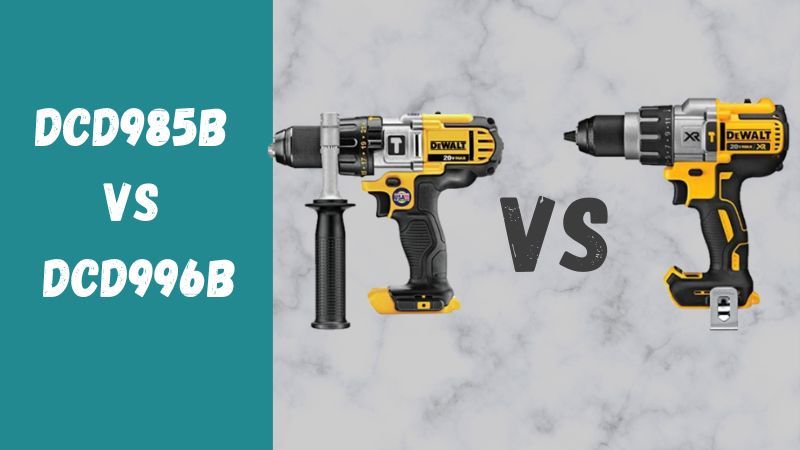
  • Dewalt DCD985B Vs DCD996B – Which One Is Better?

    Dewalt DCD985B Vs DCD996B – Which One Is Better?

    The Dewalt DCD985B and the Dewalt DCD996B are two of the most popular cordless drills on the market. They both have their pros and cons, but which one is the better drill? Let’s take a closer look at each drill and see which one comes out on top.

    You can read our article if you are interested to know more about the comparison of Dewalt cordless drill.

    Comparison Between Dewalt DCD985B and DCD996B

    Model no.Dewalt DCD985BDewalt DCD996B
    Weight1 lbs4 lbs
    Voltage20V20V
    Max Power450W300W
    Maximum Chuck Size1/2 inches1/2 inches
    Max speed2000 RPM2250 RPM
    LED lightYesYes
    No. of speed33
    Motor typeBrushedBrushless
    Battery capacityNot includedNot included

    Dewalt DCD996B Cordless Drill

    [su_note note_color=”#ffffff” text_color=”#282828″ radius=”6″][su_row][su_column size=”1/2″ center=”no” class=””]

    [/su_column][su_column size=”1/2″ center=”no” class=””]

    DEWALT 20V MAX XR Hammer Drill (DCD996B)

    [su_button url=”https://www.amazon.com/DEWALT-DCD996B-Lithium-Brushless-3-Speed/dp/B01DR90MM6?&linkCode=ll1&tag=thefamilyneed-20&linkId=665331aa511abf2a043d68e438774aa0&language=en_US&ref_=as_li_ss_tl” target=”blank” style=”stroked” background=”#ed8801″ size=”8″ rel=”nofollow noopener”]Check Latest Price[/su_button]
    [/su_column][/su_row][/su_note]

    The Dewalt DCD996B hammer drill is a powerful and versatile tool that is perfect for a variety of applications. It features a brushless motor that delivers up to 820 units watts out, making it one of the most powerful cordless drills on the market. It also has a compact and lightweight design that makes it easy to maneuver and use in tight spaces. The three-speed settings allow you to adjust the speed to your specific application.

    It has a high performance brushless motor that delivers up to 57% more run time over brushed. With 0-38,250 BPM, this hammer drill offers 3-speed settings for optimized application versatility. The LED light with 20-second trigger release delay provides increased visibility in dark or confined spaces.

    Key features of Dewalt DCD996B

    Nitro-carburized metal ratcheting chucks

    The Dewalt DCD996B hammer drill features a nitro-carburized metal ratcheting chuck for superior bit gripping strength and durability. The advantage of this feature is that it allows for extremely tight bit gripping, which is ideal for drilling through tougher materials. The disadvantage is that it can be difficult to release the bit from the chuck once it is tightened, which can be frustrating for some users.

    2,250 RPM maximum speed

    The Dewalt DCD996B hammer drill has a maximum speed of 2,250 RPM, making it one of the faster models on the market. This can be a major advantage for users who need to drill through tougher materials quickly. However, it is important to note that this speed can also make the drill more difficult to handle, so users should be careful when using it.

    820 Units Watts Out motor power

    The Dewalt DCD996B hammer drill has a powerful motor that delivers 820 Units Watts Out of power. This makes it ideal for drilling through tough materials. It also has a variable speed trigger that allows you to control the speed of the drill.

    3-Mode LED

    The Dewalt DCD996B hammer drill has a 3-Mode LED. This is a great feature for those who need to see in dark or confined spaces. However, there are some disadvantages to this feature. First, the LED can be a bit blinding if you are not expecting it. Second, the light is not always evenly distributed, so you may need to move the drill around to get the best light.

    Advantages of Dewalt DCD996B

    1. The 20V MAX XR Hammer drill(DCD996) features a powerful brushless motor that supplies 820 Units Watts Out (UWO) for a faster application speed.
    2. At just 8.4 ins long and 4.7 lbs, DEWALT’s Premium 3-Speed Hammer drill (DCD996) features a compact size that allows users to fit into tight spaces.
    3. The hammer drill also has a 3-mode LED that provides users with optimal lighting in dark or confined spaces.
    4. The DEWALT XR Hammer drill also features an all-metal ratcheting chuck that provides superior bit gripping strength.
    5. The all-metal ratcheting chuck provides superior bit gripping strength and durability.

    Dewalt DCD985B cordless Drill

    [su_note note_color=”#ffffff” text_color=”#282828″ radius=”6″][su_row][su_column size=”1/2″ center=”no” class=””]

    [/su_column][su_column size=”1/2″ center=”no” class=””]

    DEWALT DCD985B 20-Volt MAX Lithium Ion 1/2-Inch Hammer Drill

    [su_button url=”https://www.amazon.com/DEWALT-DCD985B-20-Volt-Titanium-21-Piece/dp/B07SBK6LLT?ie=UTF8&linkCode=ll1&tag=thefamilyneed-20&linkId=da50bf20a9b76377dafad49e0e06bd29&language=en_US&ref_=as_li_ss_tl” target=”blank” style=”stroked” background=”#ed8801″ size=”8″ rel=”nofollow noopener”]Check Latest Price[/su_button]
    [/su_column][/su_row][/su_note]

    The Dewalt DCD985B is a powerful and versatile hammer drill that is perfect for a variety of applications. Its three-speed, all-metal transmission provides fast application speed and improved run time, while its heavy-duty 1/2″ metal ratcheting chuck with carbide inserts ensures superior bit-gripping strength. Additionally, the LED light with 20-second delay after trigger release illuminates dark work surfaces for clear visibility.

    The Dewalt DCD985B is a top quality hammer drill that comes with a number of features which makes it perfect for a wide range of applications. One of the most notable features of this hammer drill is its three-speed transmission. This feature allows the user to select the most appropriate speed for the job at hand, which can be a great advantage for certain applications. Another great feature of the Dewalt DCD985B is its all-metal construction. This makes the drill extremely durable, which is perfect for those who need a drill that will last.

    The Dewalt DCD985B hammer drill is a reliable and powerful tool that is perfect for a variety of applications. Its 20-volt lithium-ion battery provides plenty of power and its Dewalt-designed electronics help protect the tool and battery from overheating, overloading, and deep discharge. The only downside to this drill is that it is a bit on the heavy side, which can make it difficult to use for extended periods of time.

    Key features of Dewalt DCD985B

    535 unit watts out power

    The Dewalt DCD985B hammer drill is a powerful tool that is designed for durability and long life. It has a number of features that make it a good choice for a variety of applications. One of the most notable features is the 20-volt lithium ion battery that provides plenty of power and long life. The other feature that makes this drill stand out is the DEWALT-designed electronics that help to protect the tool and batteries from overheating, overloading, and deep discharge.

    2,000 RPM maximum speed

    The Dewalt DCD985B hammer drill has a maximum speed of 2,000 RPM. It also has a three-speed all-metal transmission that allows users to select the appropriate speed for the job at hand. This is a significant advantage for applications that require a high level of precision.

    1/2-inch metal ratcheting chuck

    The Dewalt DCD985B hammer drill has a heavy-duty 1/2-inch metal ratcheting chuck with carbide inserts that provide superior bit-gripping strength and reduce slippage during high-torque applications. The all-metal gear housing provides jobsite durability and increased reliability.

    Slim handle design

    The slim handle design of the Dewalt DCD985B hammer drill makes it comfortable to use for long jobs. The engineering and design team of Dewalt have also adjusted the product footprint and weight allocation for ideal balance and light weight, making it easy to use for anyone.

    Advantages Dewalt DCD985B

    1. A heavy-duty 1/2-inch metal ratcheting chuck for added durability.
    2. The bright built-in LED work light above the trigger illuminates dimly lit spaces.
    3. The premium hammer drill’s slim design improves user comfort and control.
    4. An all-metal gearbox for increased durability.
    5. Variable speed control for greater versatility.
    6. A built-in belt hook for added convenience.
    7. A soft-grip handle for improved comfort during use.

    Final verdict – Dewalt DCD985B or DCD996B – Which one is the winner?

    The Dewalt DCD985B has a maximum speed of 2000 RPM while the Dewalt DCD996B has a maximum speed of 2250 RPM. The DCD996B is therefore the better choice if you need a faster speed.

    The Dewalt DCD985B has a brushed motor while the Dewalt DCD996B has a brushless motor. The brushless motor is more powerful, efficient, and durable than the brushed motor. The DCD996B is also able to run at a higher speed, making it the better choice for most applications.

    The DCD985B is a bit lighter and more compact than the DCD996B, making it a good choice for those who need a more maneuverable tool. The DCD996B, on the other hand, has a higher speed and is better suited for heavy-duty applications.

    In most other features, Dewalt DCD996B is far ahead of its competitor. Although the price of this unit is a bit higher, comparing the value with the price, its value for money is higher. Therefore, comparing all these features, our final verdict is that Dewalt DCD996B will be a better option than DCD985B.

  • Best Cordless Drill For Ice Auger

    Best Cordless Drill For Ice Auger

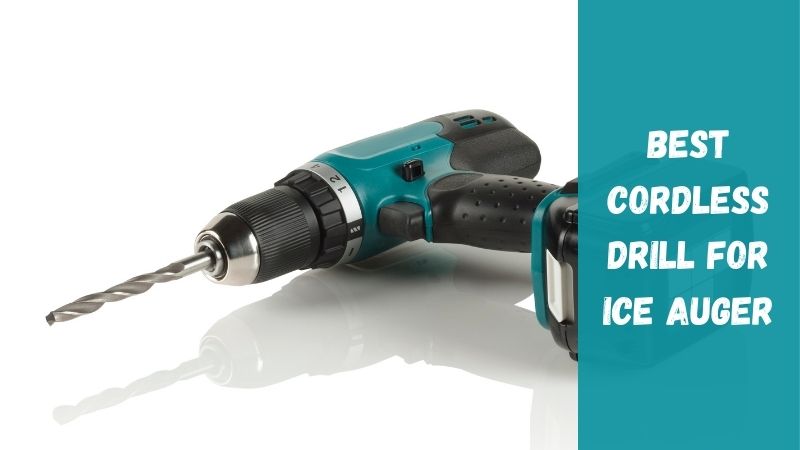
    There are a lot of different cordless drills on the market, and it can be tough to know which one is the best for your needs. If you’re looking for a cordless drill to use for an ice auger, you’ll want to make sure you get one that is powerful enough to get the job done. In this blog post, we’ll take a look at some of the best cordless drills for ice augers, so you can make an informed decision about which one is right for you.

    Top 10 cordless drills for ice auger

    DEWALT Cordless Drill DCD791D2

    DEWALT Cordless Drill DCD791D2 is one of the best cordless drills for ice augers on the market today. It is brushless which makes it more powerful and efficient. It also has a longer battery life and is more compact and lightweight than other cordless drills. This makes it perfect for use in tight spaces. The ergonomic handle provides comfort and control while the metal gear housing ensures durability and reliability.

    DEWALT drill with brushless motor delivers up to 57% more run time over brushed. XR Li-Ion batteries with fuel gauge provide this power drill with 33% more capacity than standard packs. DEWALT 20V MAX drill is compact (6.9 inch front to back), light (3.4 lbs), and powerful, making it ideal for a variety of applications.

    Advantages

    1. The brushless motor delivers up to 57% more run time over brushed.
    2. XR Li-Ion batteries with fuel gauge provide this power drill with 33% more capacity than standard packs.
    3. The 20V MAX drill is compact (6.9 inch front to back), lightweight (3.4 lbs) design fits into tight areas.
    4. High speed transmission delivers 2 speed variations allowing users to choose the level of power needed for various applications.
    5. LED light with 20-second delay after trigger release.

    Why is DEWALT Cordless Drill DCD791D2 a good option for ice auger?

    1. The DEWALT Cordless Drill DCD791D2 is a great option for an ice auger for its brushless motor that delivers more run time than a brushed motor.
    2. The XR Li-Ion batteries with fuel gauge make it perfect for long days of drilling.
    3. The DEWALT 20V MAX drill is incredibly powerful and can handle even the toughest drilling jobs.
    4. The cordless design of the DEWALT Cordless Drill DCD791D2 makes it easy to use and maneuver, even in tight spaces.

    BOSCH GSB18V-490B12 Brushless Hammer Drill

    This Bosch GSB18V-490B12 brushless hammer drill is a powerful and efficient tool that is perfect for a variety of applications. It is made with a brushless motor that delivers runtime and power for tough applications, and its EC brushless motor is efficient and delivers 490 In.-Lbs. of torque and outstanding runtime. This drill also features a comfortable and ergonomic design that makes it easy to use, and it comes with a variety of accessories that make it even more versatile.

    The Bosch GSB18V-490B12 Brushless Hammer Drill features a powerful hammer drill/driver design with a brushless motor to deliver runtime and power for tough applications. The EC Brushless motor efficiently delivers 490 In. -Lbs. of torque and outstanding run time. Bosch’s PowerHauler hammer drill/driver is engineered for efficient drilling in one motion, providing quick work over a wide range of materials with bit diameters ranging from 1/8 In. to 12 In.

    Advantages of BOSCH GSB18V-490B12

    1. The brushless motor on the BOSCH GSB18V-490B12 Brushless Hammer Drill makes it more powerful than other drills on the market, making it ideal for tougher applications.
    2. The EC brushless motor is more efficient than other motors, delivering 490 In. -Lbs. of torque and longer runtime.
    3. The GSB18V-490B12 is designed with durability in mind, with a tough casing and components that can withstand heavy use.
    4. The drill is also lightweight and balanced, making it easy to use for extended periods of time.
    5. The GSB18V-490B12 comes with a variety of useful features, including a variable speed.

    Why is BOSCH GSB18V-490B12 a good option for ice auger?

    1. The BOSCH GSB18V-490B12 Brushless Hammer Drill is powerful, efficient, and durable – making it a great choice for an ice auger.
    2. With a brushless motor, this drill delivers 490 In. -Lbs. of torsion – making it more than capable of handling tough auger drilling applications.
    3. The GSB18V-490B12 is also a drill/driver – meaning it can function as both a hammer and a drill.
    4. The powerful brushless motor provides ample power to drill through thick ice.
    5. The hammer drill design makes it easy to drill through thick ice.
    6. The brushless motor provides long runtime and power for tough applications.
    7. The drill is lightweight and easy to handle, making it a good choice for ice auger applications.

    Makita XFD10R Compact Cordless Drill

    The Makita XFD10R Compact Cordless Drill is one of the best cordless drills for ice augers on the market. Its compact and ergonomic design makes it easy to handle, and its all-metal gear construction makes it durable. The ratcheting chuck is engineered to prevent bit slippage and improve bit retention, and it only weighs 3.3 lbs. with a battery.

    The drill is designed with Extreme Protection Technology (XPT) which gives it increased resistance to dust and water, making it perfect for use in harsh job site conditions. The dual L.E.D. lights with afterglow illuminate the work area, and the ergonomically designed handle with rubberized soft grip provides increased comfort. The one-touch sliding chuck makes bit changes easy, and the variable speed trigger with electric brake gives you precise control.

    Advantages of Makita XFD10R

    1. The Makita XFD10R Compact Cordless Drill is extremely compact and ergonomic, making it easy to use and comfortable to hold.
    2. All-metal gear construction makes the drill more durable and long-lasting.
    3. The ratcheting chuck is engineered to prevent bit slippage and improve bit retention.
    4. The drill weighs only 3.3 lbs. with battery, making it extremely lightweight and portable.
    5. The Makita XFD10R Compact Cordless Drill has a Variable Speed dial which allows the user to easily adjust the speed of the drill to suit their needs.
    6. The drill also has a reverse switch, which makes it easy to remove screws.

    Why is Makita XFD10R Cordless Drill a good option for ice auger?

    1. The Makita XFD10R Compact Cordless Drill is a great choice for an ice auger as it is compact and ergonomic.
    2. The all metal gear construction makes it increase durability.
    3. The ratcheting chuck is engineered to prevent bit slippage and improve bit retention.
    4. The drill only weighs 3.9 pounds, making it easy to handle.
    5. The Makita XFD10R Compact Cordless Drill comes with a built-in LED light, making it easier to see in low-light situations.

    Metabo HPT MultiVolt Cordless Hammer Drill

    When it comes to cordless drills for ice augers, the Metabo HPT MultiVolt Cordless Hammer Drill is one of the best on the market. It offers 1,220 in-lbs of torque and up to 2,100 RPM with 0-31,500 beats per minute, making it perfect for any job.

    Additionally, it is only 4.5 lbs, making it one of the most lightweight cordless drills on the market – perfect for extended or overhead applications. Another great feature of the Metabo HPT MultiVolt Cordless Hammer Drill is the LED light, which provides the ability to work even at dark night.

    The Metabo HPT MultiVolt Cordless Hammer Drill is one of the best cordless drills for ice augers on the market. It has 22 torque settings, a drill mode, and a hammer drill mode, so you can match the torque to the application. The hammer drill also comes with reactive force control, which senses tool overload and stops rotation to protect the user and the tool.

    Advantages of Metabo HPT

    1. The Metabo HPT MultiVolt Cordless Hammer Drill is powerful, with 1,220 in-lbs of torque and up to 2,100 RPM with 0-31,500 beats per minute.
    2. It is lightweight, only 4.5 lbs. for less fatigue during extended or overhead applications (tool body only).
    3. It has Reactive Force Control, which senses torsional forces and shuts the tool down if it gets too high, preventing damage to the tool and user.
    4. The MultiVolt Cordless Hammer Drill is easy to use, with an LED light to illuminate the work area and a variable-speed trigger for precise control.
    5. It is versatile. Therefore, you can use it for different projects.

    Why is Metabo HPT Cordless Drill a good option for ice auger?

    • The Metabo HPT MultiVolt Cordless Hammer Drill is a good option for an ice auger because it is powerful, lightweight, and reactive.
    • The drill has 1,220 in-lbs of torque and up to 2,100 RPM with 0-31,500 beats per minute, making it a powerful tool.
    • It is also lightweight at only 4.5 lbs, making it less fatigue during extended or overhead applications.
    • Additionally, the drill is reactive, meaning that it will stop if it encounters too much resistance, making it a safer option to use.

    Worx WX352L Power Share Cordless Hammer Drill

    The Worx WX352L Power Share Cordless Hammer Drill is a powerful and versatile tool that is perfect for any ice auger application. With its brushless motor, advanced electronics, and two-speed gearbox, this drill can handle any job with ease. The chuck size is also perfect for any ice auger, making this one of the best cordless drills for ice fishing.

    The Worx WX352L Power Share Cordless Hammer Drill is a top choice for anyone in the market for a new cordless drill. Its brushless motor is more efficient and powerful than most, making it ideal for big projects. It also has a long runtime, so you won’t have to worry about recharging it in the middle of a job.

    The powerful Worx 20V Nitro Cordless ½” Hammer Drill with Brushless Motor has the flexibility to perform advanced DIY projects, but with 32,000 BPM it’s built for professional work, too, like driving fasteners into concrete or for commercial applications. The Worx WX352L also has a power share battery, so you can use it with any other 20V Worx tool.

    Advantages of Worx WX352L

    1. The Worx WX352L Power Share Cordless Hammer Drill is designed to provide greater power and performance than other cordless drills on the market.
    2. The brushless motor is more efficient and provides longer runtime, more power, and less noise.
    3. The Power Share feature allows you to use the same battery for both the drill and the impact driver, making it more convenient and cost-effective.
    4. The built-in LED light illuminates your work area, making it easier to see what you’re doing.
    5. The ergonomic design makes it more comfortable to use for extended periods of time.

    Why is Worx WX352L Cordless Drill a good option for ice auger?

    1. The powerful Worx 20V Nitro Cordless ½” Hammer Drill with Brushless Motor has the flexibility to perform advanced DIY projects, but with 32,000 BPM it’s built for professional work, making it a great option for an ice auger.
    2. The nitro motor provides more power and longer run times than a standard cordless drill, making it ideal for ice augering.
    3. The brushless motor is more efficient and durable than a standard motor, meaning it will stand up to the rigors of ice augering.
    4. The Worx WX352L Power Share Cordless Hammer Drill is a very lightweight and compact tool, making it easy to maneuver and use.
    5. The Worx WX352L Power Share Cordless Hammer Drill comes with two batteries, so you can always have a backup ready to go.

    History of ice auger and ice fishing

    The history of ice fishing can be traced back to the days when people first began venturing out onto frozen lakes and ponds in search of fish. Early ice fishermen would cut holes in the ice with crude tools and then fish with lines and hooks, often using live bait.

    Over time, ice fishing evolved and people began using more sophisticated equipment, including augers to drill holes and special tip-ups to keep lines in the water. Today, ice fishing is a popular pastime in many parts of the world and people of all ages enjoy spending time on the ice in pursuit of fish.

    Ice fishing is a popular pastime in many cold weather climates, and it has a long history. It is believed that ice fishing originated in Finland, and it was originally a way for people to survive in the winter months. Today, ice fishing is mostly done for recreation.

    Ice augers have been around for centuries, used by people in cold climates to drill through ice in order to access water or to fish. In recent years, cordless drills have become increasingly popular for ice augers, as they offer a more convenient and portable option than traditional gas-powered augers.

    How to choose a cordless drill for an ice auger?

    There are a few things to consider when choosing a cordless drill for an ice auger. The first is the size and power of the drill. You’ll want to make sure the drill is large enough and powerful enough to handle the job. The second is the battery life.

    You’ll want to make sure the drill has a long battery life so you don’t have to worry about it running out of power in the middle of a job. The third is the price. You’ll want to find a drill that fits your budget.

    Power and torque of the drill

    For an ice auger, the best cordless drill would be one with plenty of power. Something in the 18 to 20-volt range would be ideal. You want to be able to drill through the ice quickly and easily, and a drill with plenty of power will make that much easier.

    When it comes to choosing the best cordless drill for an ice auger, torque is an important consideration. A drill with more torque will be able to drill through thicker ice more easily, making it a better choice for those who need to drill through thicker layers of ice.

    Size

    The best cordless drill for an ice auger should be a size that is comfortable for the user to hold and operate. It should not be a compact drill that is most suitable for home applications. But a compact drill with high torque and power may do the trick. As the drill will carry the ice auger which is a large extension, it is better that the drill is large in size so that the user can hold it comfortably.

    Battery

    A good battery voltage for a drill suitable for an ice auger should be at least 18 volts. This will ensure that the drill has enough power to penetrate the ice. The capacity of the battery does not have any relation to the power.

    But the rule of thumb is that more is better. Therefore, the drill you are going to buy for an ice auger should have a voltage of 18 or preferably 20v and it will have a higher capacity that ensures uninterrupted work.

    Price

    Price of a drill suitable for an ice auger depends on a number of factors, such as the brand and model of the drill, the power and capacity of the drill, and the intended use for the drill. However, as a general guide, a good quality cordless drill suitable for ice augering should cost around $200. The more the price, the more features you will get with the cordless drill.

    How to dig a hole with an ice auger?

    Equipment necessary

    • Ice auger,
    • A spud bar, and
    • An ice chisel.

    Digging hole with ice auger in five steps

    Assuming you have all the necessary equipment, here are the five steps to follow when using an ice auger to dig a hole:

    1. First, find a spot where you want to dig the hole. Make sure the area is clear of any obstacles.
    2. Next, set up your ice auger.Attach the auger to the power drill and make sure it is securely in place.
    3. Now it’s time to start drilling! Slowly lower the auger into the ground and begin drilling.
    4. As you drill, keep an eye on the auger and make sure it doesn’t get stuck. If it does, stop drilling and try to dislodge the auger.
    5. Finally, clear any loose ice chips from the hole before fishing.

    FAQ

    What is an ice auger?

    An ice auger is a handheld tool that is used to drill holes in ice. It consists of a drill bit that is attached to a long rod, which is then connected to a power source.

    The most common power source for an ice auger is a battery-powered drill. It can be powered by gas, electric, or battery, and usually has a long, spiraling drill bit that helps it bore through the ice quickly and easily.

    What is an ice auger used for?

    Ice augers are an essential tool for anyone who wants to drill through ice. They are also great for anyone who wants to make sure that their ice fishing holes are the perfect size and depth. Ice augers are used in fishing to drill holes in the ice so that fishermen can access the water below.

    What are some key ice fishing equipment?

    Ice fishing can be a fun and rewarding experience, but you need the right equipment to do it safely and effectively. Here are five essential pieces of ice fishing gear that every angler should have:

    A good ice auger is key to making clean, consistent holes in the ice. A hand auger can be slow and tiring, so consider investing in a power auger.

    A quality ice fishing rod and reel combo is essential for successful ice fishing. Look for a rod that is sensitive enough to detect even the lightest bites, yet strong enough to handle big fish.

    A good set of ice fishing line and lures is also important.

    What are the benefits of using a cordless drill for my ice auger?

    Cordless drills offer a number of benefits for those who need an ice auger. First, they are much more portable than their corded counterparts, making them ideal for use in remote areas.

    Second, they are much quieter than gas-powered augers, making them more neighbor-friendly. Finally, they are much less expensive to operate, making them a great choice for budget-conscious shoppers.

    What are some tips for using a cordless drill for my ice auger?

    If you’re going to be using a cordless drill for your ice auger, there are a few things you should keep in mind. First, you’ll want to make sure that the drill is properly charged before you start drilling. This will help ensure that you don’t run out of power halfway through the job. Second, you’ll want to use a drill bit that’s specifically designed for ice augers.

    These bits are usually made of carbide or another material that can stand up to the tough ice. Finally, you’ll want to go slowly and steadily when you’re drilling. This will help avoid any potential damage to the auger or the drill itself.

    What are the features of the best cordless drill for ice auger?

    When it comes to choosing the best cordless drill for an ice auger, there are several features to consider. One of the most important is the amount of power the drill has. Another is the size and weight of the drill, as this will determine how easy it is to use and carry. Additionally, the battery life is an important factor, as this will determine how long the drill can be used before needing to be recharged.

    Conclusion

    We hope that this blog post has helped to inform the readers about some of the best cordless drills for ice augers. We know that making the right decision about which one to purchase can be difficult, but we hope that this post has made it a little easier. Thank you for reading.

  • What Is Torque On A Drill?

    What Is Torque On A Drill?

    Welcome to the world of torque and drill torque and drills. In this post, I’ll be discussing what torque is and how it affects drilling. I’ll also be giving some tips on how to choose the right torque for your drill. I hope you find this information helpful.

    What does torque mean?

    The torque on a drill is the amount of force that the drill can apply to an object. The higher the torque, the more force the drill can apply. The torque on a drill is the rotational force that is applied to the drill bit, which in turn creates the drilling action.

    This force is generated by the motor of the drill, and is transmitted through the drill bit. The amount of torque that is applied to the drill bit will determine the speed at which the drill bit rotates, and the size of the hole that is created. Torque is a measure of twisting force. Torque is a measure in inch-pounds, foot pounds or Newton meters.

    The amount of torque on a drill is the amount of force that the drill bit applies to the material. The higher the torque, the more force is applied to the material. This makes the drill bit cut through the material more quickly.

    Most drills have a variable speed setting. This allows the user to control the speed of the drill, and the amount of torque that is applied to the material. The higher the speed, the more torque is applied.

    How much torque does a drill have?

    This is a difficult question to answer because it depends on the model and make of the drill. The amount of torque a drill has will determine how well it can drill through tough materials, so it is important to choose a drill with enough torque to get the job done. Generally speaking, most drills will have between 3 and 15 Newton meters of torque.

    What is a good torque for cordless drill?

    When it comes to cordless drills, the rule of thumb is that the higher the torque, the better. This is because higher torque levels make it easier to drill through tougher materials. If you’re not sure what torque level is best for your needs, it’s always a good idea to consult with a professional.

    measuring torque on a drill

    To measure the torque on a drill, you will need a torque wrench. A torque wrench is a tool that measures the amount of force being applied to a fastener, such as a bolt or a nut. Torque is measured in Newton meters (Nm).

    To use a torque wrench, you will first need to set the desired torque on the wrench. Then, you will need to attach the wrench to the drill bit. Finally, you will need to turn the drill on and hold it in place while the wrench measures the torque.

    Torque vs speed

    Torque and drill are often thought to be the same but they are two different terms. Below are the key differences and relationships between these two common terms of a drill:

    1. Torque is a measure of how much force is required to rotate an object, while speed is a measure of how fast an object is moving.
    2. Torque is measured in Newton-meters (Nm), while speed is measured in revolutions per minute (rpm).
    3. To produce more torque, a drill must have a more powerful motor and/or a larger gear ratio. To produce more speed, a drill must have a higher voltage and/or a higher no-load speed.
    4. Torque is more important for drilling through tough materials, while speed is more important for drilling through soft materials.
    5. Increasing the torque on a drill will usually decrease the speed, and vice versa.

    FAQ on torque & drill

    What are some high torque drills?

    Some high torque drills are the Dewalt DCD771C2, the Makita XFD061, and the Milwaukee 2804-20. Some other high torque drills that come to mind are the Makita BDF452HW, and the Milwaukee 2704-20. These great drills offer a lot of torque, making them perfect for tougher jobs.

    What’s the torque setting chart of a drill?

    The drill torque settings chart is a guide that shows the proper torque setting for a variety of drill bits. This is important because using the incorrect torque setting can damage the drill bit and the material being drilled.

    What is torque adjustment on a drill?

    Torque adjustment on a drill is a way to change the amount of force that the drill applies to the screw or drill bit. This is done by changing the position of the drill bit in relation to the handle of the drill. By moving the drill bit closer to the handle, you increase the amount of torque that is applied to the screw or drill bit.

    What is fastening torque on a drill?

    Fastening torque is the amount of torque that is required to keep a drill bit securely in place while it is in use. This is an important consideration when choosing a drill because too much torque can cause the bit to slip out of the chuck, while too little torque can cause the drill to stall.

    How to measure torque on a drill?

    To measure the torque on a drill, you will need a torque wrench. A torque wrench is a tool that measures the amount of force being applied to a fastener, such as a bolt or a nut. Torque is measured in Newton meters (Nm).

    To use a torque wrench, you will first need to set the desired torque on the wrench. Then, you will need to attach the wrench to the drill bit. Finally, you will need to turn the drill on and hold it in place while the wrench measures the torque.

    Conclusion

    In conclusion, torque on a drill is a very important concept to understand. It is a measure of the rotational force that a drill can exert, and is measured in Newton-meters. Higher torque values generally mean a more powerful drill, which can be helpful when drilling through tougher materials. It’s important to choose the right drill bit and set the correct speed when drilling, as this will also affect the amount of torque required.

  • How To Store And Care Cordless Drill Batteries?

    How To Store And Care Cordless Drill Batteries?

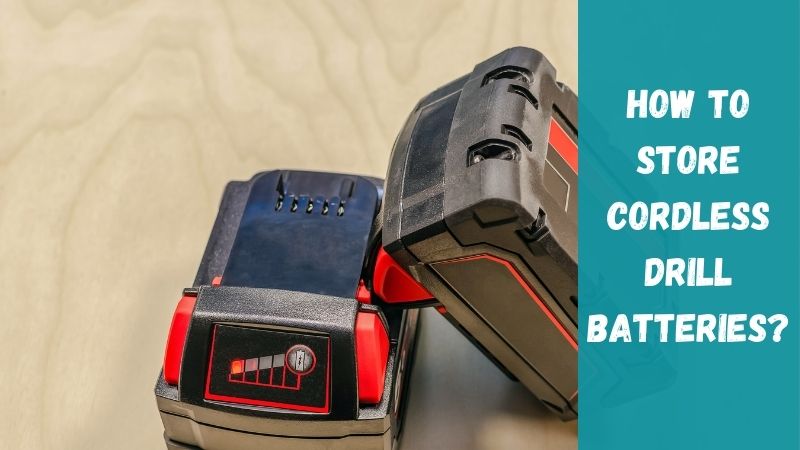
    Cordless drills are becoming increasingly popular and for good reason. They offer the convenience of not having to be tethered to a power outlet, and they’re much more portable than their corded counterparts. But with this convenience comes a new set of challenges, one of which is how to store cordless drill batteries. In this article, I am going to give you a complete guideline on how to store cordless drill batteries. Let’s get started.

    How to store cordless drill batteries?

    Remove the battery after use

    After each use, it is important to remove the battery from the cordless drill. This will help to prolong the life of the battery and prevent it from overcharging. To remove the battery, first make sure the drill is turned off and unplugged. Then, locate the release button or lever on the drill and press it to release the battery. Gently pull the battery out of the drill and set it aside in a safe place.

    Do not store batteries in high temperature

    High temperature is not good for batteries because it causes them to degrade faster. When batteries are stored in high temperatures, they not only lose capacity faster, but they also become more prone to failure. Therefore, we should try to keep the battery at a temperature of around 15 degree celcious.

    Charge the battery before storing

    It is recommended that you charge the battery before storing it. This will help keep the battery in good condition and prevent it from losing its charge. Thus, it will enhance the longevity of the battery.

    Avoid moisture

    Cordless drill batteries should be stored in a cool and dry place to avoid moisture. If the battery is stored in a humid or wet environment, it can corrode and shorten the battery life. If the battery is exposed to moisture, it can cause the battery to corrode and shorten its lifespan.

    Protect from physical damage

    It is also important to protect the battery from physical damage, so they should be stored in a case or on a shelf where they will not be bumped or dropped. A physical damage can cause the battery a permanent failure.

    Do not keep the battery unused for long

    Cordless drill batteries should not be kept unused for long periods of time. Over time, the battery will discharge and become damaged, reducing its performance and lifespan. Keeping the battery unused will cause self discharge which is not good for a battery if it happens for a long period of time. Therefore, if you need to keep the battery unused for a couple of months, then charge it at least once in a month.

    How to care cordless drill batteries?

    Charge regularly

    Cordless drill batteries should be charged regularly to prevent them from losing their power. If the battery is not used for a while, it will discharge and will need to be recharged before it can be used again.

    Do not overuse the battery

    Cordless drill batteries should not be overused because they can catch fire. When the battery overheats, the chemicals inside can ignite and cause a fire.

    Charge completely

    When you first get your batteries, it is best to charge them completely before using them. This will help to ensure that they are able to hold a charge for a longer period of time. Thus, you can use the drill properly and it’ll not impose pressure to the battery.

    Keep a spare battery

    A spare cordless drill battery can come in handy in a number of situations. You’ll never be caught without a working battery if you keep a spare battery with you. A spare battery can be used as a backup in case your primary battery fails. It can be used to power other cordless tools. A spare battery can be recharged and used multiple times and will lessen pressure to the primary battery.

    Do not overcharge

    If you overcharge a cordless drill battery, it will decrease the battery’s life. Additionally, overcharging can cause the battery to leak, which can be dangerous.

    Do not overheat

    Overheating can be dangerous for batteries. Overheating a drill battery can cause it to catch fire, explode, or release toxic fumes. Therefore, to save your battery from premature failure, make sure it is not overheated.

    FAQ

    Does the batteries of a cordless drill self discharge?

    Most cordless drill batteries will self-discharge when not in use, so it’s important to store them properly. The best way to store them is in a cool, dry place. You should also check the batteries regularly to make sure they’re not over-discharged.

    Should I remove the batteries from the drill to store them?

    It is not necessary to remove the batteries from your cordless drill to store them. In fact, it is often best to leave them in the drill so that they do not become disconnected. However, if you do choose to remove the batteries, be sure to store them in a cool, dry place.

    Can I leave the battery of a drill on the charger and store it?

    Yes, you can store a cordless drill battery on the charger. Just make sure that the charger is turned off when you’re not using it.

    How long can I keep the cordless drill batteries plugged in during charging?

    It is best to unplug the battery once it is fully charged to avoid overcharging, which can shorten the battery’s lifespan.

    Related article

    How to recondition a cordless drill battery?

    Conclusion

    To ensure that your cordless drill batteries last as long as possible, it is important to store and care for them properly. When not in use, batteries should be stored in a cool, dry place out of direct sunlight. It is also important to regularly check the battery terminals and clean them if necessary. Following these simple tips will help to extend the life of your cordless drill batteries.

  • What Is The Difference Between A Drill And An Impact Driver?

    What Is The Difference Between A Drill And An Impact Driver?

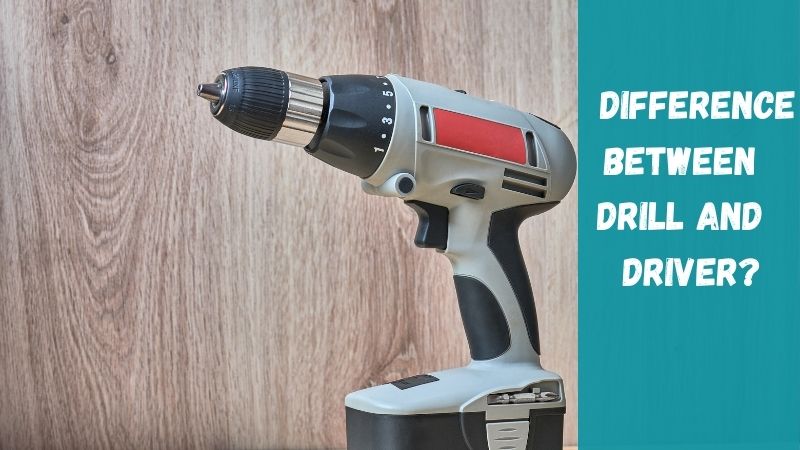
    What is the difference between a drill and a driver? The answer depends on who you ask. To most people, a drill is a tool used to make holes or holes in hard surfaces. A driver is a tool used to drive screws into hard surfaces and is made from a drill drivers. However, there are subtle differences between the two. A drill is a larger tool than a drill driver, and is usually powered by corded electricity. A drill driver is smaller than a drill and is usually powered by battery.

    What is a drill?

    A drill is a power tool that is typically used for making holes in materials such as wood, metal, or stone. It typically consists of a chuck (a device that holds the drill bit in place) and a motor that rotate the drill bit.

    Types of drill

    There are two main types of power drills: cordless and corded. Cordless drills are more portable, but corded drills are more powerful. Apart from these, there are some other types of power drills available in the market such as hammer drill and so on. Read our article to know more about different types of power drills.

    Advantages of a drill

    1. A power drill can make holes in a variety of materials quickly and easily.
    2. It can also be used to drive screws and other fasteners into materials.
    3. Power drills are relatively inexpensive and can be found at most hardware stores.
    4. They are also relatively easy to use, even for those who are not particularly handy.
    5. A power drill can be used to drill holes of various sizes, depending on the bit that is being used.
    6. It is also possible to use a power drill to create larger holes, such as for removing tree stumps.
    7. Power drills can be used for both home and commercial applications.

    Disadvantages of a drill

    1. A power drill can be very loud, which can be disruptive and even jarring.
    2. A power drill can kick up a lot of dust and debris, which can be irritating and even dangerous to breathe in.
    3. it can be very heavy and unwieldy, which can make it difficult to control and use.
    4. A power drill can generate a lot of heat, which can be dangerous if not properly managed.

    What is an impact driver?

    An impact driver is a power tool that is used to drive screws and other fasteners into various materials. Impact drivers are very powerful and can be used to drill holes into tougher materials such as concrete and brick. Impact drivers typically have a hexagonal chuck that allows for quick and easy bit changes.

    An impact driver is used to drive nails and screws into various materials. It is a handheld tool that uses a hammering action to drive the fastener into the material. Impact drivers are often used in construction and other industrial applications.

    Types of impact driver

    There are two types of impact drivers: brushless and brushed. Brushless impact drivers are more expensive but are more powerful and have a longer lifespan. Brushed impact drivers are less expensive but not as powerful and have a shorter lifespan. Apart from these below are some other types of impact drivers available in the market:

    -Cordless impact drivers
    -Pneumatic impact drivers
    -Hydraulic impact drivers

    Advantages of an impact driver

    1. An impact driver is a powerful tool that can drive screws and nails easily.
    2. It is very versatile and can be used for a variety of projects.
    3. The impact driver is relatively small and lightweight, making it easy to handle.
    4. It is very powerful and can drive screws and nails quickly.
    5. It is very versatile and can be used for a variety of projects.
    6. Impact drivers are relatively inexpensive.
    7. It is easy to find replacement parts.
    8. It comes with a variety of attachments and bits.
    9. An impact driver is relatively easy to use.
    10. It is a versatile tool that can be used for a variety of projects.

    Disadvantages of an impact driver

    1. Impact drivers can be louder than other types of drivers.
    2. They can create more vibration than other types of drivers.
    3. They can be less precise than other types of drivers.
    4. Impact drivers can wear out batteries more quickly than other types of drivers.

    When to use a drill?

    A power drill is a tool that is most commonly used to create holes in materials such as wood, metal, and stone. It can also be used to drive screws and other fasteners. A power drill typically has a chuck that can be tightened or loosened to hold drill bits of various sizes.

    A power drill is a versatile tool that can be used for a variety of tasks, from drilling holes to driving screws. When deciding whether to use a drill or an impact driver, it’s important to consider the specific task at hand and the materials you’ll be working with. For example, impact drivers are better suited for driving screws into hard materials, while drills are better for drilling holes into softer materials.

    Below are some of the key applications of a power drill:

    1. Drilling holes in walls for hanging pictures or shelves
    2. Making pilot holes for screws
    3. Enlarging existing holes
    4. countersinking holes for screws
    5. Fitting dowels into holes

    When to use an impact driver?

    An impact driver is a tool that is most commonly used to drive screws and other fasteners into materials such as wood, metal, and stone. It can also be used to drill holes but is not as effective as a power drill. An impact driver typically has a chuck that can be tightened or loosened to hold drill bits and other fasteners.

    Impact drivers are also used to loosen screws and bolts that are already in place. Impact drivers are often used in situations where a regular drill would not be able to provide enough torque, or turning force, to do the job.

    An impact is also used to drill holes into materials. It has a higher torque than a drill, and it is also able to drive screws and bolts into materials that are harder to penetrate.

    Here are some applications for impact drivers:

    1. Loosening or tightening lug nuts on a vehicle
    2. Driving long screws or bolts
    3. Removing or installing fasteners in difficult-to-reach places
    4. Drilling pilot holes
    5. Applying torque to loosen or tighten a fastener

    Drill vs impact driver: Summary

    Here are some key differences between these two power tools:

    1. Power drills have a chuck that can accept a variety of drill bits, while impact drivers have a hexagonal chuck that only accepts hex-shank bits.
    2. Power drills have a trigger that controls the speed of the motor, while impact drivers have a button that controls the amount of torque that is delivered.
    3. Power drills are designed for drilling holes, while impact drivers are designed for driving screw.
    4. A power drill is a handheld tool that uses a rotating drill bit to create holes in various materials, while an impact driver is a tool that delivers a high amount of torque to drive screws and bolts into various materials.
    5. Power drills typically have lower speeds and are more compact than impact drivers. Impact drivers typically have higher speeds and are more powerful than power drills.
    6. The drill bit on a power drill is usually held in place with a chuck, while an impact driver has a hexagonal chuck that holds bits with a hexagonal shape.

    FAQ

    Are drill and impact drivers the same?

    No, drill and impact drivers are not the same. A drill is a tool that is used to create holes in materials, while an impact driver is a tool that is used to drive screws and other fasteners into materials.

    Why do I need an impact driver?

    An impact driver is a tool that is used to drive screws and bolts into materials such as wood and metal. Impact drivers are powered by batteries, and they deliver a high amount of torque. This makes them ideal for driving screws into tough materials.

    Why would you use an impact driver instead of a drill?

    An impact driver is a tool that is used to drive screws and bolts into materials. It is very similar to a drill, however, it has a few key differences. An impact driver is much more powerful than a drill and can be used to drive screws and bolts into tougher materials. Additionally, an impact driver can be used to loosen screws and bolts that are stuck.

    Conclusion

    In conclusion, a drill is a handheld power tool used mostly for drilling holes. A driver is an attachment for a drill. The drill has a screwdriver tip that spins at high speeds to move a screw. A driver is an attachment that attaches to a drill. A drill has a chuck that holds drill bits. A driver has a screw attached that spins in a hole. Both are very useful power tool but need to be chosen wisely according to the type fo the project.

  • How To Remove The Battery From A Cordless Drill?

    How To Remove The Battery From A Cordless Drill?

    When you need to remove and replace the batteries in any of your cordless tools, getting them out shouldn’t be difficult. But getting the battery out isn’t the hard part: removing the battery from the cordless tool is. If you’ve never needed to swap out the battery pack before, you’re probably in luck—most of these tools have battery removal mechanisms that are no different from the batteries themselves. Also, if you have the tools, you can always just disassemble the drill itself. But if you own a tool that doesn’t have battery removal capabilities, you’re going to need a little knowledge.

    Removing the battery from a cordless drill

    Although the battery removal process for all the drills is not the same, I’m giving you a generalized guideline in blow:

    1. Remove the battery cover from the drill. This will be located on the side or bottom of the drill, and will usually be held on by a screw or two.
    2. Take out the batteries. There will usually be two of them, side by side.
    3. Put the batteries in a safe place. You don’t want to accidentally damage them or short them out.
    4. Replace the battery cover. Make sure that it is screwed on tightly so that the batteries don’t come loose while you’re using the drill.
    5. That’s it! You’re now ready to use your drill without the batteries.

    Precautions while removing batteries from a cordless drill

    When removing batteries from a cordless drill, there are a few precautions to take. First, make sure that the drill is unplugged and turned off. Next, remove the battery cover and unscrew the battery. Be careful not to touch any of the exposed wires. Finally, lift the battery out of the drill and dispose of it properly.

    Below are some other important points to be noted:

    • Unplug the drill from any power source before beginning.
    • If the batteries are hot, allow them to cool down before proceeding.
    • Wear gloves to protect your hands from the batteries’ acid.
    • Place a rag over the battery compartment to catch any acid that may spill out.
    • Gently remove the batteries from the compartment, taking care not to damage them.
    • Once the batteries are removed, dispose of them properly.

    Related Read

    How do you recondition cordless drill batteries?

    Conclusion

    We hope this blog helped you understand how to remove the battery from a cordless drill. If you have any questions or comments, please leave them below. Thank you for reading!

  • What Is A Chuck On A Drill & How It Works?

    What Is A Chuck On A Drill & How It Works?

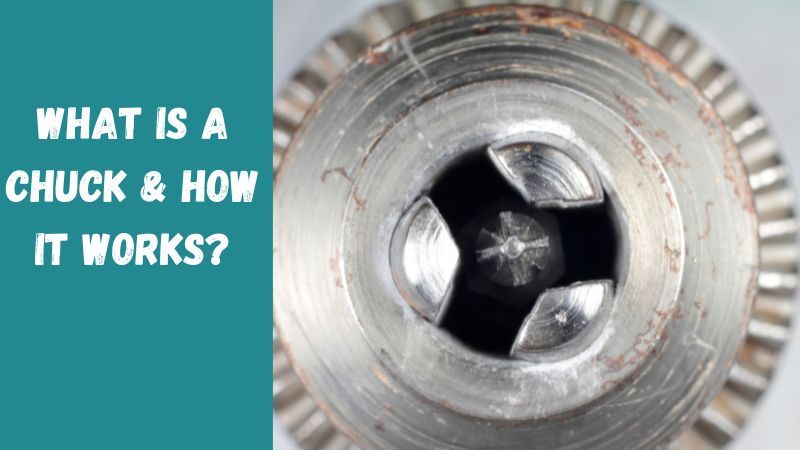
    A chuck on a drill is a type of clamp that is used to hold drill bits in place. It works by gripping the shank of the drill bit, which is the portion that fits into the drill chuck. The chuck consists of jaws that grip the drill bit, and a key that is used to tighten or loosen the jaws. In this article, I will discuss what drill chuck is and how it works.

    What does chuck mean on a drill?

    A chuck is a type of clamp used to hold an object with a cylindrical shape, such as a drill bit, in place. Chucks are usually found on power drills and other rotating tools. The chuck can be tightened or loosened to change the size of the drill bit that is being used.

    A chuck on a drill holds the drill bit in place. It is usually located at the end of the drill bit. The chuck can be tightened or loosened to adjust the size of the drill bit.

    what are the three types of drill chucks?

    Keyless chuck

    A keyless chuck is a type of chuck that does not require a key to tighten or loosen the jaws. This type of chuck is convenient because it can be operated without having to remove a key from your pocket or tool belt.

    Keyed chuck

    A keyed chuck is a type of chuck that is used to hold a drill bit in place. The chuck consists of a cylindrical body with a keyed hole in the center. The drill bit is inserted into the keyed hole and held in place by the chuck. The chuck is then mounted on the drill and tightened to secure the drill bit.

    SDS chuck

    An SDS chuck is a type of drill chuck that is used to hold drill bits with an SDS (Slotted Drive Shaft) shank. The chuck has a series of jaws that grip the drill bit shank, and a key that is used to tighten or loosen the chuck.

    How does a drill chuck work?

    A drill chuck is a device that holds a drill bit in place while it is being used. It consists of a body with three jaws that grip the drill bit and a screw that tightens or loosens the jaws.

    A keyed drill chuck uses a key to tighten and loosen the chuck. The key is inserted into a hole in the chuck and turned to tighten or loosen the chuck.

    A keyless drill chuck tightens and loosens without the use of a key. To tighten the chuck, the user simply turns the chuck clockwise. To loosen the chuck, the user turns the chuck counterclockwise.

    A drill chuck includes a spindle, a collar of a center, and a plurality of jaws. The spindle has a diameter smaller than the diameter of the collar of the center. The spindle has a step between an end thereof and an inner wall of the collar of the center. The collar of the center has a diameter smaller than the diameter of the collar of the center.

    The plurality of jaws are moved so as to freely extend from an inner wall of the collar of the center through the step of the center and are independently expanded and contracted. A drill bit is fixed in the plurality of jaws.

    what are drill chuck sizes?

    Chucks come in a variety of sizes, from very small to very large. The size of the chuck will determine the size of the drill bit that can be used with it.

    There are a variety of drill chucks available on the market, and the size you need will depend on the specific application you are using it for. Drill chucks come in a variety of sizes, ranging from small to large. The most common drill chuck sizes are 3/8″, 1/2″, and 3/4″.

    Other drill chuck sizes include the followings:
    1/8 inch (3.175 Mm) chucks
    3/16 inch (7.5 Mm) chucks
    1/4 inch (6.35 Mm) chucks
    5/16 inch (8.35 Mm) chucks
    3/8 inch (10.5 Mm) chucks
    1/2 inch (12.7 Mm) chucks

    why are chucks used?

    Drill chucks are used in order to hold drill bits securely in place while they are in use. This helps to ensure that the drill bit does not slip out of place and that the hole is drilled in the correct location.

    The chuck is tightened or loosened using a key that is inserted into the chuck. The drill bit is placed into the chuck and the key is turned to tighten the chuck. The drill bit is then ready to be used.

    FAQ on drill chuck

    How to change a drill chuck?

    Below is a quick process of changing a drill chuck:

    1. Unplug the drill.
    2. Remove the drill bit.
    3. Use a wrench to loosen the chuck.
    4. Remove the old chuck.
    5. Insert the new chuck.
    6. Use the wrench to tighten the chuck.
    7. Reinsert the drill bit.
    8. Plug in the drill.

    What material is a drill chuck made of?

    A drill chuck is a detachable sleeve, usually with three jaws, that holds a drill bit or other rotary cutting tool in place on a drill or drill motor. The drill chuck is tightened or loosened using a chuck key, which is a specialized wrench. Chucks are made from a variety of materials, including steel, and brass.

    What is chuck’s capacity?

    The chuck capacity of a drill refers to the maximum size of the drill bit that the drill can accommodate. The capacity of a chuck is the amount of space that it can hold.

    What is a single sleeve chuck?

    A single sleeve chuck is a type of drill chuck used to hold drill bits in place. The chuck consists of a sleeve that is threaded on the inside. The drill bit is inserted into the sleeve and is held in place by a set screw. The set screw is tightened to secure the drill bit in place. The main feature of a single sleeve chuck is that it can be operated single-handedly.

    What is universal chuck?

    A universal chuck is a type of drill chuck that can be used with a variety of different drill bits. It is a versatile tool that can be used for a variety of different projects.

    Conclusion

    A chuck on a drill is a quick-release mechanism that allows for easy bit changes. It works by clamping down on the bit, and holding it in place while the drill is in use. Chucks come in various sizes and styles, so it is important to choose the right one for your drill and the project you are working on. With a little bit of practice, you will be able to change bits like a pro in no time.

  • What Is A Keyless Chuck?

    What Is A Keyless Chuck?

    A keyless chuck is a type of drill bit that does not require a key to tighten or loosen the drill bit. This type of chuck is very convenient because it can be quickly changed out and does not require any special tools. The only downside to a keyless chuck is that it can sometimes be difficult to keep the drill bit from slipping. In this article, I will describe in detail about the ins and outs of a keyless chuck.

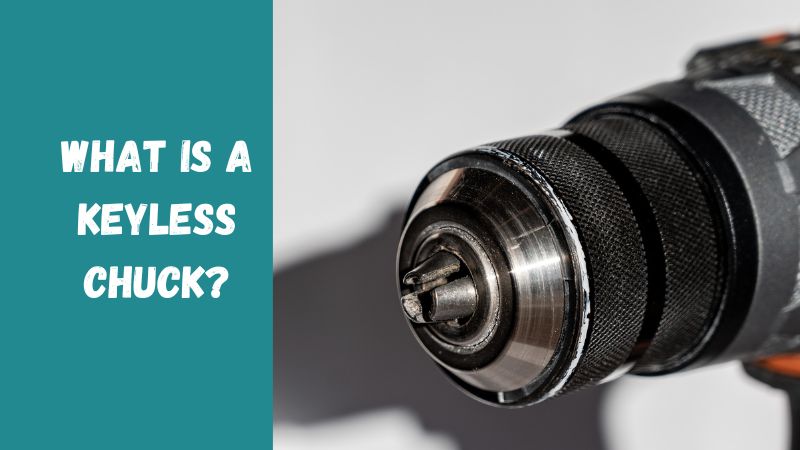
    What a keyless chuck is

    A keyless chuck is a type of drill chuck that tightens and holds drill bits without the use of a key. This type of chuck is convenient because it can be operated without having to remove the drill bit from the chuck. Keyless chucks are also more versatile, as they can be used with a wider range of drill bits.

    How does a keyless chuck work?

    A keyless chuck is a type of drill bit chuck that does not require a key for operation. Instead, the chuck is tightened or loosened by gripping the exposed threads on the outside of the chuck body and turning it in the appropriate direction. This type of chuck is very convenient as it does not require the user to keep track of a separate key, and it can be operated with one hand.

    This type of drill chuck uses a sleeve-and-cam mechanism to grip the drill bit. The sleeve is tightened by turning the cam, which pushes the jaws of the chuck outward. The jaws can be opened by turning the cam in the opposite direction.

    How to use a keyless chuck

    To use a keyless chuck, first make sure that the drill is turned off and the bit is not inserted into the chuck. Next, loosen the chuck by turning the ring at the base of the chuck counterclockwise. Once the chuck is loose, insert the bit into the chuck and tighten the chuck by turning the ring at the base of the chuck clockwise.

    Below is a step by step process of using a keyless chuck:

    1. Loosen the jaws of the chuck by turning the adjustment ring counterclockwise.
    2. Insert the shank of the drill bit into the jaws of the chuck and tighten the jaws by turning the adjustment ring clockwise.
    3. Center the drill bit in the jaws of the chuck by tightening or loosening the jaws as necessary.
    4. Start the drill and allow the drill bit to reach full speed before beginning to drill.

    Pros and cons of keyless chuck

    Advantages of keyless chuck

    • A keyless chuck is easier to use than a standard chuck.
    • It is more versatile and can be used with a wider variety of drill bits.
    • A keyless chuck is more durable and less likely to break or wear out.
    • It is easier to maintain and keep clean.
    • A keyless chuck is safer to use than a standard chuck, as there is no risk of the chuck key becoming jammed in the drill.

    Disadvantages of keyless chuck

    • They are more difficult to operate than chucks with keys.
    • They are more likely to slip, making it more difficult to get a tight grip on the drill bit.
    • Keyless chucks are more expensive than chucks with keys.

    Is a keyless chuck better than a keyed chuck?

    There are a few reasons why a keyless chuck might be better than a keyed chuck. For one, it can be easier to use, since you don’t have to worry about losing or misplacing a key. Additionally, a keyless chuck can be tightened or loosened more quickly and easily, which can be a big advantage when you’re working on a project.

    For starters, a keyless chuck is easier to use. You don’t have to worry about losing a key, and you don’t have to fumble around with a key when you’re trying to change bits. A keyless chuck is also more durable than a keyed chuck. And, finally, a keyless chuck gives you more control over the speed and torque of your drill, which can be a big advantage when you’re working with different materials.

    FAQ on Keyless Chuck

    How do you unlock a keyless chuck?

    A keyless chuck is a type of drill chuck that does not require a key to lock and unlock it. Instead, it uses a spindle-type locking mechanism that is tightened or loosened by hand. This makes it much easier to use, as you don’t have to worry about losing or misplacing a key.

    What is a ratcheting chuck?

    A ratcheting chuck is a type of keyless chuck that is used to grip a drill bit or other tool firmly. The chuck consists of two jaws that are tightened around the tool by a ratcheting mechanism. This type of chuck is very convenient to use because it does not require a key to tighten or loosen the jaws.

    How to change a drill bit that has a keyless chuck?

    If your drill has a keyless chuck, you can change the drill bit without a key. To do this, first, unscrew the drill bit until it is loose. Next, pull the drill bit out of the chuck. Finally, insert the new drill bit into the chuck and screw it in until it is tight.

    Why does my drill chuck slip?

    A keyless chuck is a type of drill chuck that does not require a key for tightening or loosening. This makes it more convenient to use, but it can also be a potential hazard if not used properly. Always make sure that the drill bit is secure before starting to drill, and never try to force the drill bit into the material. If the drill bit starts to slip, stop drilling immediately and secure the drill bit before continuing.

    Conclusion

    A keyless chuck is a type of drill chuck that is tightened and released without the use of a key. This makes it more convenient to use, as you don’t have to worry about losing the key or having it handy when you need to change bits. A keyed chuck, on the other hand, requires a key to tighten or loosen the jaws, which makes it more secure. Therefore, considering the advantages, I’d prefer a drill that has a keyless chuck.

  • How To Recondition Cordless Drill Batteries?

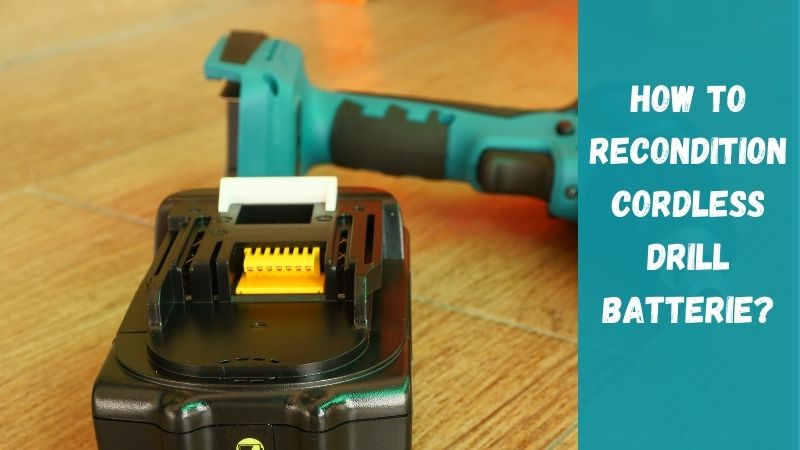
    How To Recondition Cordless Drill Batteries?

    With a cordless drill, there’s no need to worry about lugging a heavy cord around while you drill holes, screw, screw, and screw some more. It’s what gets us through the day, right? These drills are so handy, in fact, that we probably could drill a hole into every surface in our new home, and then never use one again. But batteries only last so long before they need to be replaced, and cordless drill batteries don’t last forever. In this article, I will teach you how to recondition cordless drill batteries.

    Reconditioning the batteries

    First, you need to know what type of battery you have. Li-ion batteries cannot be reconditioned, so you’ll need to focus on NiCd or NiMH batteries.
    Once you know what type of battery you’re working with, you’ll need to gather a few supplies. For this project, you’ll need a battery charger, a voltmeter, some sandpaper, and a clean, dry cloth.
    Now you’re ready to start reconditioning your battery. Begin by charging the battery for about 12 hours. Once it’s done charging, use the voltmeter to test the battery’s voltage.

    If your cordless drill battery is not working correctly, here is a step by step process to repair it:

    1. Check the connection between the battery and the drill. Make sure the contacts are clean and making a good connection.
    2. If the connection is good, then check the voltage of the battery. Most batteries will have a voltage of 18 volts. If the battery is dead, replace it with a new one.
    3. If the battery voltage is good, then check the brushes in the drill. The brushes can wear out over time and will need to be replaced.
    4. Check the chuck of the drill. The chuck is the part of the drill that holds the drill.
    5. Check the battery terminals for corrosion. If corrosion is present, clean the terminals with a wire brush.
    6. Check the battery for cracks or damage. If the battery is damaged, it will need to be replaced.
    7. Charge the battery for at least 24 hours before using the drill.
    8. Replace the battery in the drill and test the drill to see if it is working properly.

    Reasons for battery failure

    One possible reason that cordless drill batteries may fail is that they are not properly cared for. Batteries should be stored in a cool, dry place and should be charged regularly to maintain their lifespan. Additionally, it is important to use the correct charger for the battery to avoid damaging it. Below are some other reasons:

    • Discharged (has a high charge)
    • Overcharged (the charge is too high)
    • Miswired
    • Improperly seated
    • Problem with separators
    • Mishandling
    • Improper storage
    • Improper charging
    • Improper disassembly
    • Faulty charger
    • Faulty battery pack
    • Faulty or incompatible charger

    benefits of repairing cordless drill batteries

    Like all battery-powered devices, they eventually need to be recharged or replaced. When your cordless drill battery dies, you can either buy a new one or try to repair the old one.
    There are several benefits to repairing your cordless drill battery instead of buying a new one. First, it’s usually cheaper to repair a battery than to buy a new one. Second, you can usually get your drill up and running again much faster if you repair the battery than if you wait for a new one to arrive. Finally, repairing your drill battery is more environmentally-friendly than buying a new one.

    Conclusion

    In conclusion, the rule of thumb is that you should drain your batteries completely before recharging them. For batteries that can be fully recharged, keep an AA/AAA charger handy and charge them overnight.

    Related article